
Martha Gordon
-
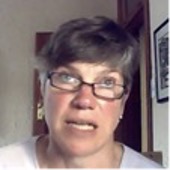
Martha joined the anti-apartheid movement as a student at Carleton University in 1984. Four years later, Martha moved to Southern Africa to pursue clandestine work in support of the African National Congress. She later settled in South Africa where she married and raised a family. She presently lives in Toronto where she serves as an Anglican priest.
Doug Miller 0:00
On the road. Good evening. Martha Gordon in Johannesburg, how are you?
Martha Gordon 0:07
I’m very well. Thanks. How are you and Gwen?
Doug Miller 0:12
This is Doug Miller here in Montreal with Gwen Schulman in her home in Montreal, using Zoom to carry on our Canadian Anti-Apartheid Activist History Project interviews, and Martha Gordon, we’re very excited to have the chance to talk with you and learn your story. I had sent you the consent form that you have written, signed and delivered back. I just would ask you verbally to reaffirm that you’ve read it, you understand the conditions, and you’re, you’re, you’re agreeable to go forward with an interview on that in that context.
Martha Gordon 0:46
Yes, I’ve read the email and the document. I’ve signed it knowing that I’m giving my consent for this interview and for its recording and documenting purposes.
Doug Miller 0:59
Thank you. Thank you so much. I usually take the role of broad questions and easy, easy softball pitches, and Gwen then will come in and fill in the blanks and follow up and go on things that I obviously miss all the time.
Gwen Schulman 1:23
We will be co-interviewing you is what he’s talking about.
Doug Miller 1:28
Except she’s smart.
Martha Gordon
Are you editing the this part?
Doug Miller 1:31
Not at all, not at all, because it’s very social as well. So, so, so, could you please just introduce yourself and give us a brief background of where you’re from and how you first came into contact with the issue of apartheid and began getting involved.
Martha Gordon 1:53
Well, my name is Martha Gordon, and I’m currently a priest in Johannesburg, South Africa, and I grew up in Toronto, downtown, but I spent a lot of time when I could in the bush, on farms, working on farms, so I had a kind of dual life of opportunity. Many people living in the city didn’t have chances to go out into the beautiful countryside like I did. So that was part of my growing up.
And when I was at Scott High School, I started getting to be more politically aware with friends of mine who had various backgrounds of socialists from England and other places, and we started being more aware, going to events in in downtown Toronto and understanding more about what was going on in terms of not only racism in North America, but also issues of poverty, inequality. And that was when I first started hearing about apartheid in South Africa, and that there was a growing anti-apartheid movement.
I also took a course, some of my friends and I took a course called Third World History at high school that was North Toronto High School, Collegiate Institute, and the teacher, Frank Bialystok, was very progressive and really taught us a lot of new ideas. We talked about authors like Susan George, and for that time, we didn’t, you know it was new to very new to us. How I remember that book, “How the Other Half Dies”, and I was so shocked and horrified. And so, from there, we started learning about issues around the world. Well, as it was called Third World, which isn’t a term we used, we used for a long time, but it was trying to open our eyes. I think middle class and upper class kids in Toronto could get their eyes opened.
So, yeah, I think from there, I worked a lot on the farms after I finished high school, and then I went directly to Carleton, and I really wanted to be a journalist, so I was armed with my notebook and my recorder and my pens, and I wanted to be a journalist. And so it was in that process that I was working on the newspaper at Carleton, and then started getting involved in the apartheid group on campus. And then also Ottawa, being the capital, had a lot of anti-apartheid activities. And there was the Ottawa anti-apartheid group that we were affiliated to.
So it was a huge awakening for me, getting involved and eventually meeting up with other organizations in other towns and cities, like the one at McGill and Queen’s and also at Ottawa U because I was at Carleton and to understand and also University of Toronto. And others just being part of those networks and hearing about other solidarity groups. So the political groups on campus, like the NDP, what was it, the NDP youth and different parties, as well as student politics, the Women’s Centre, the International Students’ Society, all these different groups were very often progressive and lending their support to coalition work, or coming together for a talk against apartheid, or if it was a boycott on campus, or issues of disinvestment by the by the university shareholders.
So there were a lot of issues that I just started learning about and getting more and more involved in and going to protests. And when you’re at a protest or a vigil, let’s say outside the embassy, I remember it was freezing, freezing cold, like minus 20 walking up and down the street in front of which was near the Prime Minister’s residence as well, on, I think it’s Sussex Drive. I’m trying to remember the names, yeah. So it was, it was like a conscientizing process, and the more I reported and got involved, the more I wanted to do more. So there was a crossroads between journalism and activism. And I remember some journalists saying, “you know, you have to be careful, because, remember, you’re reporting, you’re not you’re not supposed to be an activist”. And then activists saying, “You know what, we need you to be active, not only just writing about it”. So it was that interesting. How can I say, balance and codependence? Because I think everyone has a role to play on both sides. We need people to record, but we need also people to act. Be active and you can, you can, those two can complement each other.
Doug Miller 7:05
Wow, that’s a tremendous summary of a huge evolution, I guess. Thank you so much so. So there you are at Carleton. What, what was the committee like? Who was on it? What kind of actions did you undertake? That’s the, I’m talking about, the anti-apartheid committee at that point.
Martha Gordon 7:30
Well, we, we were involved in a number of activities, for example, inviting speakers to talk about what was happening in southern Africa, and then also trying to boycott South African products on campus, and also get the university to disinvest from companies doing business with South Africa or South African companies. There was even one time we went to a board meeting, and we got so many of us were in the lift, and we got into the boardroom, and I remember the security called and everything was a big hoo-ha about it.
But all of these actions, it took coalition work, now that I look back on it, it was a good grounding for working with other like-minded organizations, even when you had some who were maybe pushing the boundaries more than others, and others needed to be won over and also using the local media was really important to get the word out. Because at that time there were, there was the disinformation campaign from the embassy, but also the states of emergency meant news wasn’t coming out of the region, so we had to try and provide alternate views. Yeah. So I’m just trying to think of more examples of pickets and protests and, yeah, I mean, it was so many things we seem to be active regularly.
Gwen Schulman 9:12
What did you, do you remember, what, how, when you would organize an educational event or an action, to what degree were people, just in the general public, receptive to the anti-apartheid message?
Martha Gordon 9:30
Well, it took time. I mean, initially we had to really win people over and have tables and information. You have to have one on one debates and discussions with people. And sometimes people would come with a lot of counter views. So in that process, you have to learn more and understand more to be able to respond. But it was very, I remember there’s a central area of the Student Union Building where we often had tables. So it was never more than sort of 50 people. And let’s say it would be special anniversaries of special events, or we tried to use different things to get the word out.
Doug Miller 10:17
Yeah, what could you I realized we went through all this, but we don’t really have any dates on it. Could you just name like when you were in high school? What years were those? And when you were at Carleton? What years were those?
Martha Gordon 10:32
I was at Carleton in the mid-80s, so I finished high school, I think it must have been about 84.
Doug Miller 10:42
Okay, so –
Martha Gordon 10:44
I have to get my CV out, it’s hard for me to remember,
Doug Miller 10:48
No, no, that’s, that’s fine. It’s situation.
Martha Gordon 10:51
I was there basically from I let, I graduated in 88 and I was there for, it took me four years to do the BA because I was busy.
Doug Miller 11:01
Yeah, sounds familiar? Yes, a Carleton is my alma mater as well for my first degree in history.
Martha Gordon 11:10
And, okay, that was my major history.
Doug Miller 11:14
Yeah, I graduated in 68. Anyway, so that’s puts us in the given context. Now, apparently you and Gwen have met, and how did that occur?
Martha Gordon 11:31
Well, so some of the activities we did, like, let’s say we had a march on Parliament, or I even found some pictures the other day of a huge protest on at Parliament, because we are obviously pushing the Canadian government to take more action against the apartheid government with sanctions and so forth. That was a huge effort, but in the process of working together with other like-minded organizations, we would meet and come up and have joint campaigns. And this was when Marie-Hélène at CIDMAA, and she was also at UQAM, she came up with this whole trip idea to have youth representatives. It was called a youth solidarity tour with Southern Africa, something like that. And we had representatives from Jeunesse du Monde and also McGill and I think Concordia.
Gwen Schulman 12:39
Aziz Fall, UQAM
Martha Gordon 12:42
and then I was at Carleton, yeah, so, and Marie-Hélène, she was just like the leader.
Doug Miller 12:49
Just for our listeners in English, is Université du Québec à Montréal and CIDMAA was the Centre d’information et de documentation sur le Mozambique et l’Afrique australe, so, and it was a almost an NGO, I would guess it would be classed as an NGO that was very active around those issues. Thank you. Okay, so, so that’s how you and Marie-Hélène was an employee of CIDMAA, was she?
Martha Gordon 13:14
Yes, and also doing her master’s, I believe in, was she doing her master’s when at she was doing it on Southern African trade union movement? I believe, yeah, so, so she had a dual connection there, so, but I met Gwen before that trip, doing, you know, joint things with McGill and with Carleton and other I remember, I think Queen’s there were, there were some other activities.
Gwen Schulman 13:46
Yeah, there was a yes, visiting each other, mostly through, if I remember correctly, university divestment campaigns. We were lending support to each other around that kind of stuff, and bulking up the numbers at demonstrations and stuff by visiting each other during key events.
Martha Gordon 14:05
Yes, that’s right, tremendous. Then we travelled together. That trip was meant to visit the frontline states and come back and then visit educational organizations to lend support to the frontline states and the anti-apartheid movement in general.
Doug Miller 14:26
So what? What year, what months was then?
Martha Gordon 14:30
That was 1988
Doug Miller 14:32
Okay.
Gwen Schulman 14:34
Now that was going to Zambia, Zimbabwe and Mozambique.
Doug Miller 14:38
Okay and there you would have met the members of the ANC that were involved in the struggle and other people, I guess. Well, anyway, it’s your trip. Tell me.
Martha Gordon 14:51
We visited ANC projects, but also alternative projects, like the, a like run by the cooperative movement in in Zimbabwe and alternative farming, alternative print making. We went to a cashew factory in Mozambique, for example. We met with youth leaders, women leaders, also some exile I think it was SWAPO youth we met who were in exile in Zambia. So it was a quite a variety. I mean, that was really a coming of age visit, I would say for all of us, because we were we, we really learned so much, but we felt that emotional connection to the movement, and we just were inspired to do so much more. It was also quite frightening at times, especially flying. We had to fly over South Africa at one point.
Gwen Schulman 15:58
Or go via it was rerouted through Johannesburg, unexpectedly, our bags were stuffed with ANC and SWAPO material was that was very frightening. I forgot about that.
Martha Gordon 16:14
Wow, yeah, so yeah, and we were very naive in terms of the security. Listen, nothing happened, but we that we know of, but certainly I feel looking back on it, we could have even put people at risk unknowingly, by the profile we brought, who knows. The other thing was, they had a Commonwealth Heads of State meeting in Zimbabwe while we were there. So I managed to do a report for Canadian Press, which I was working for as an as a weekend editor. So that was really interesting to see Joe Clark and others and that that interaction of, of that meeting, um, which was, which was trying to put pressure, obviously, on, on Thatcher and Reagan at the time, I believe, if I, if my, if my, I’m pretty sure it was the Commonwealth Eminent Persons Group. I think, right.
Gwen Schulman 17:23
I forgot about that. I think the other thing, just to add to it, Martha, was that what was particular about this trip was that it was overtly political. We were meeting with the ANC Youth wing. We were meeting with SWAPO. We were meeting with, like, really revolutionary cooperatives in in Zimbabwe, not mainstream, Mugabe, anything. These were like, really quite subversive organizations. And then, of course, overtly meeting with FRELIMO government representatives. And so, you know, it wasn’t like a development tour. It was really very, very political like, I think that was pretty exceptional. And staying with ANC Youth in, you know, in the townships in Lusaka, and everything
Martha Gordon 18:11
That’s true and also, the other thing was that at the time that Mozambique was suffering a civil war with the MNR insurgents, and funded by apartheid South Africa, and so it was extremely dangerous, but it was also heartbreaking to hear of all the schools and clinics and railway lines that were being destroyed. I mean, that story wasn’t really well explained in the North American media. It was just seen as you know, rebels fighting socialism. You know what I mean? It was like, yeah, so frustrating, but so we tried to get the word out when we got home.
We did a lot of tours, but the reception wasn’t as, how can I say what people didn’t, it was very much school and university based audiences. We tried to get out, you know, bigger audiences about what was really happening in southern Africa, but it was just very difficult to get a wide audience, even with media, we did a few interviews here and there, but it wasn’t what we had hoped. Was very, very difficult at that time to get out alternative messages. How did you feel, Gwen?
Gwen Schulman 19:35
Yeah and I think that we were complexifying the message. When it was just about apartheid in South Africa, there’s a simplicity to that message. You know, it’s a white supremacist government, white minority oppressing a black majority. So you can kind of package that message in a fairly straightforward way that doesn’t take that much effort to explain to. People, for people to be extremely offended by it and say, “Yes, I’ll sign the petition. Yes, I agree with these actions”, but once we started spreading it out to southern Africa, and South Africa’s war of destabilization against the frontline states, it led to a whole level of complexity to the issue that was way harder to convey to people. But part of that work was bringing people after we went to southern Africa, then we had people from Southern Africa who we had met there, come to Canada, and we toured with them to try to talk about the frontline states.
Doug Miller 20:36
Okay, interesting. Well, and clearly from that tour, you, you, you came motivated, Martha to do more. Can you take us that next step?
Martha Gordon 20:53
Well, I so after the, I took some, some time off university studies, and we did the tours and other activities, and I tried to finish my degree. And in the meantime, I was approached by someone to work in the region once I finished my degree, which would be the end of the year, and to go and assist. Initially, it was about pamphlets and bringing pamphlets and other information into the country. And then later on, I was asked, Would I also bring in weapons to assist communities to defend themselves? So I had to, you know, think about that, and I agreed to do that. So I went off telling my family that I was going to Greece and have a time off after studies. And then eventually I said I was going to go back to Southern Africa, because I really love to go back after that trip from the previous year.
So then I worked there. I had to find a job to stay in the country, in Zimbabwe. So I was volunteering for the Zimbabwe Red Cross Society, and in the meantime, getting training on secret work. And then I got a job, I applied in service in country, which is very unusual for WUSC, to get a job teaching history and English at a rural school. And I managed to get that job and start working there. I think it was from September. This is 1989, so I’d been in Zimbabwe from January, and started doing the work of going into South Africa, first Botswana, then South Africa. And then I continued that until December 19, 1990 and that’s when I was told I needed to quit my job at the school and then move full time to Johannesburg.
And I’ll never forget that night. I remember going home to the hostel, like it’s like a, the WUSC hostel where you could stay overnight. And I didn’t sleep the whole night, and I had a headache, and I was just thinking, “Oh my gosh. Like, how am I going to go?’. It’s like going from the frying pan into the fire. That’s what it felt like. Because as much as we did these trips in and out, when we got out of the country, was like, phew, okay, as much as it was extremely dangerous in the frontline states, there was some kind of peacefulness.
But now, when I was told I had to move full time to South Africa, especially Johannesburg, that was really that freaked me out. I must say, I was really anxious. So yeah, then I moved there in January, and also, again, had to find work and a place that could be a suitable safe house, which eventually I did. And then I kept working there until, yeah, and now I’m here, 31 years later.
Doug Miller 24:22
Now that is a resume. Listen. Can I just go back to the Zimbabwe experience again? And we’ve interviewed a colleague of yours who got who talked a bit, quite a bit, about your experience. And of course, you’ve written about it in the book “International Brigade Against Apartheid”. Could you for the record here just give us a little more detail about a, you said I received training. What would that have entailed? And B, these trips, they must have been, I’m not sure I have the, whatever for it, you know.
Martha Gordon 25:06
So I got off the plane, the plane, and then I met [name withheld] at the airport. We didn’t know each other, and she was just told to that the person coming would have a Canadian flag on her hand, on her bag, sided, sewn onto my like, over the shoulder bag. So we met, and then, yeah, the rest is history. So I didn’t know, obviously, at the time, that she was also coordinating other international solidarity people too.
So we, basically the training was about secret work. So it was her and other people who would train about even makeup disguising, how to walk and not be followed, how to lose people who are following you, how to check that your room hasn’t been disturbed. How to come up with legends, how to tell a story, and believe it, so for me, I grew up never lying, and you know –
Doug Miller 26:15
Now your life will lie.
Martha Gordon 26:18
Yeah, it’s really, was really hard for me to lie, but we don’t call it lying. We call it the legend, you know, telling a legend, and you had to get to the point of practising it that you believed it, so that if you are caught unawares, you would just say, “No, I’m going to visit my friend in Durban”, or whatever it is. So, so we had to practice a lot of these things and go on like little test missions and things like that, to see how we would cope, because, and how to how to keep your cool and how to keep calm, and how to also talk with people and, to socialize, but not ever reveal anything sensitive. Because if you’re not trained, you could easily just blurt out something by mistake, or, let’s say you’re having a glass of wine, you might you might be less cautious. So they really warned us about a whole lot of things, and especially things like breaking the law. Sorry, my neighbour is drilling something. Can you hear that?
Doug Miller 27:24
Is it? It’s not a problem, okay, ambient noise.
Martha Gordon 27:29
So things like, if, if you’re speeding, and you, you know, you’re using a vehicle in the country, and then you get caught for speeding, now you’re going to be connected to that vehicle. So they were really like, don’t be, don’t, you know, do anything illegal, or, you know, let’s say drinking and driving. And you know, we wouldn’t do that anyway, but just to not get in any trouble whatsoever, so we had to be extremely disciplined, and also, obviously it’s very lonely. It’s very, very lonely. So especially, you’re living out at a rural school and you’re trying to do the best you can, teaching kids and making friends with the other teachers and all that.
And there was a strike. I remember that WUSC sent a memo saying we’re not allowed to go on strike. So the all the other teachers were on strike, so we just went on strike anyway. I mean, we how can we not do that? That’s ridiculous. So, and there was, there were, there was Zimbabwe Unity Movement at the time, so they were challenging Mugabe, and any teacher that was seen to be sympathizing was arrested, and things like that. It was really like disappointing.
At one stage we were, the teachers were really positive, and there was huge development in education in Zimbabwe in the sort of late 80s. But that started to change. You know, there was a huge increase in access, and a lot of the schools that were primary were called upper tops, they were added on to be high schools. And a lot of the expat teachers from England, Germany, Canada, were assisting with that, with the shortage of teachers. And then there were a lot of Canadians teaching at teacher colleges. So it was a really, that was really positive, but sadly, a lot of that has been eroded. But anyway, that was a temporary, that was a temporary life.
So the challenge is, yes, you live your life. You want to do the best you can, even though that’s not your real reason for being there, but to keep your sanity, you need to act like it is, so that it’s otherwise you can start getting very confused so well, even to do the trips and come back like, “Oh, it was you?”. Whatever reason you had, and just live it out and not confide in anyone that’s just be good at it.
Doug Miller 30:06
Oh no, enormously difficult. And you use the word discipline, it’s coming from an activist background. It’s a totally different discipline that you and on that score, I just wanted to point out, or ask you to point out, that you, in fact, were not there simply as an anti-apartheid activist who was getting involved. You were part of a structure that had recruited you, and you had a command structure there in and this discipline was, was this this training, was a carefully structured training based on those things. Would you just, without getting into details or anything, but we haven’t said it yet.
Martha Gordon 30:45
So I remember once being told that if I if I get arrested, that I should say to myself, I’m a soldier of Umkhonto we Sizwe, just to give myself confidence, but, but that’s something I would never say to anyone. It’s the idea of being a soldier is because everything was so secret. It’s, it’s a bit even now to think that I’m a veteran. Yes, I’m a veteran in a way, but I’m, don’t feel like I’m a veteran in the, in the traditional sense of having that camaraderie with other soldiers or former soldiers, but you’re right. It’s definitely was a military structure, and that’s something that took getting used to.
So just to give you an example, like growing up in Canada, where you you’re taught to question things and ask questions for any reason. You can’t ask any questions in a military structure, you it’s a need-to-know basis was one of the things we learned quickly. So you’d never asked why you do what you’re told. And I don’t know anything of my commander’s personal life, not even the name. Usually it was only later that for logistical purposes, you might need to know first name in order to leave a message. But even then, in those days, you had beepers, and you leave a message on a pager. So even the pager wasn’t that person’s name, it was even another gender, another person altogether, and you would leave that message through, you know, they’d have an operator saying, this is the answering service for XYZ, which wasn’t even anything to do with your commander.
So you just got used to that and just doing everything what you’re told, no questions asked. “Okay, go to Durban. You have to leave tonight, seven o’clock”. The car is cut, you know, you just do what you’re told. You don’t know anything. So it’s scary, because you’re reading stuff in the newspaper. You might be told a little bit about what’s going on, but not anything to jeopardize anybody. So that’s the rationale. So if I got caught, I wouldn’t know anything about who’s, where does that person live? Who did I report to? Anything about the structure, whatsoever.
So it was really hard, but now with this project, and with other things like the book, was fascinating to hear about how the work I did was a tiny, tiny link in the chain, but it made it so much more understandable, because I never knew most of what’s in that book.
Gwen Schulman 33:43
Wow. So you found it out in the book?
Doug Miller 33:49
Yes, and this book was motivated by one of those commanders. Did you know him at the time as a commander, Ronnie? Ronnie
Martha Gordon 33:57
Kasrils. I never knew him. He was like, way, way, many steps beyond me,
Doug Miller 34:06
Okay, but, but Muff Anderson, I think was part of your structure.
Martha Gordon 34:11
Yes, so I saw her more in Zimbabwe, not so much in South Africa. She was sort of a few levels up. So because of the danger, I, basically 95% of my work. It was with John, who’s also in the book. So I completely depended on him. I didn’t work with anybody else except John. [Doug Miller: Wow.] So very rarely would I see Muff, of course, very, very rarely. So it was, yeah.
Doug Miller 34:43
Well, and again, I it takes us back to this idea of being very lonely. I mean, you’re the trust factor is enormous, and there you are on your own, hoping that it’s right.
Martha Gordon 34:56
Also with the situation in the country. I mean, the negotiations, Chris Hani assassination, but, but if, if we were caught, we could jeopardize, you know, I don’t even want to think about it, but we could jeopardize if we were caught, because officially, all those agreements were signed years earlier.
Gwen Schulman 35:21
Can you tell us a bit about sort of how you felt and what you thought as you were reading these other contributions that started to fill in some of the pieces of this puzzle?
Martha Gordon 35:36
It was, it was really inspiring. I mean, wow. Because I remember Ronnie saying about 30 of us were doing similar work, and I had no idea. I mean, I knew when I had to go and fetch the vehicle. So having a safe house, you had to collect vehicles, bring them back, unload them and so forth. And that was hair-raising. I just dreaded doing that because, you know, imagine driving across Johannesburg in a in a truck full, like, in boxes, yes, wooden boxes with metal, but screwed in. It wasn’t like open, but still, I mean, if we were caught, that was the end. That was just, and it could be any roadblock. It could be anything. It could be an accident. They just want to, like, look in the back. Then it’s like, game over. So we would, we would leave, yeah, have these, have these ways of having, like, a bumper sticker or something hanging on the mirror, and we’d leave the keys under the mat.
Can you believe it like, let’s say I rented a vehicle, a panel van, leave it at a particular place at a particular time, and then go away, and then check half an hour later to make sure it was taken and then again when I would return it the same thing to make sure it was taken. Or they, you know, I would come and collect. It depends on if they were leaving the vehicle and I was collecting, or vice versa. So in these places, you know, sometimes you’d be late or something, you’d be sweating, like you’d be so stressed out, and you’re just looking, sometimes out of a wig or heels or not looking, you know. And then, you know, you and meanwhile, I’m supposed to be at work, so just, but this thing of leaving the keys in the under the under the mat in the car. I mean, today, cars are stolen all the time. It’s, it’s just like crazy.
Gwen Schulman 37:46
It’s like going to a movie, nobody will believe that car. Everybody is like, “Oh, come on”.
Martha Gordon 37:50
Yeah. So even, like some of the people now, some I’ve, I’ve even known who would have been dropping that vehicle, probably, yeah, through the book. So I just, I didn’t know that was coming from Secret Safari and coming all the way from, from the hinterland that that whole project, I just knew, okay, I’ve got to collect these, undo the boxes once I’m safely inside my little cottage, and then, you know, lock them away, and then that dispose of the boxes. And yeah, I would just get orders, and I didn’t know anything of where they were coming from, nothing.
So years later, when, when that movie was, I was I was interviewed for a movie, Secret Safari. Then I learned more, and I even met some of the people involved, which was a huge like, Wow. I mean, I couldn’t believe it. So, so now the book was just adding way, way more detail and understanding to that process and providing a, also a bigger political context of the rationale of the leadership, what they were trying to do. Because, again, I didn’t, I didn’t have any access to the sort of political or military strategies. So you know, we were just the tiny chain at the end. If you know what I mean.
Doug Miller 39:16
I’m thinking of our audience, whoever they may be. And I think it would be interesting just to frame this, because you got to Zimbabwe at the end of 89 if I’m not mistaken, and –
Martha Gordon 39:31
Beginning of January 89
Doug Miller 39:34
Beginning of 89 so during the whole year of 89 and into 90, you were going inside and outside of apartheid South Africa. But in January, 1990 Nelson, not January, February, Nelson Mandela walks free, and now you’re posted inside South Africa. How is that still part of the anti-apartheid struggle? Just for our listeners?
Martha Gordon 40:01
No, that’s a great question. So I, in February 1990 Mandela was released, and I remember with [name withheld] watching it at it we didn’t have any TVs, so we were at a bar in Harare watching as he’s walking out with Winnie Mandela. It was just unbelievable. And the commentator was a former cricket commentator at SABC. They were caught unawares. So they this guy who had no real political background became famous because it was him saying, there he is Nelson Mandela, Nelson and there’s Winnie Mandela, but he’s like, it’s like cricket. And he was trying to, you know, got stuff to say, I mean, this was like, but that voice, I’ll never forget. It just brings goosebumps.
But so what happened was, so for that whole year, we were still in Zimbabwe and as Mandela, you know, the weeks and months after his release, the violence, you know, state sponsored violence, increased dramatically to the point where it was an all in, all out attack on the ANC and the UDF and progressive structures unions as well. So, so that that’s why I was told to come into the country, because they needed to defend the communities and what, what was called self-defence units needed support to defend themselves against Inkatha and state sponsored violence through the police and the and the army. So it was really, really scary. People were being killed on the trains in communities, the hostels, which were supported by the government, by the police and by Inkatha, were attacking the very communities that they were in.
So it was really and it was seen, I mean, it was reported in the Western media as ethnic, you know, Black-on-Black violence is what they called it, which is so racist and tribalistic, you know, but that’s what, that’s how it was justified. And it was trying to make black governments look ungovernable, look like incapable of governing. And, or, you know, just like people can’t get along kind of, or they’re just fighting each other, they don’t know how to govern. It was that kind of racist ideology that was trying to be fueled and, and also, you know, cause fear and terror and cause a civil war. So that’s why we needed to support communities in defending themselves.
And I mean, growing up in Canada, obviously we were pro peace, and never used weapons or anything like that. So I still haven’t used any weapon to this day, but I had to come to terms with the need for justifying protection and defending the people as a way that that that it was one of the pillars that ultimately ended apartheid. You know, there were many pillars that played a role, but MK was one of those roles. International solidarity was one, community uprising, internal community uprising. So all these diplomatic efforts, everything had a role to play, but this was just one aspect that needed support, and it just so happened that I was able to assist in a way that many others couldn’t, just because of my passport and my sort of double life, I wasn’t a suspect, nobody would think of coming to where I lived and things like that. So wow, wow, wow.
Gwen Schulman 44:01
I want to ask a question like, let’s back up to when you were at Carleton, doing the anti-apartheid work, the kind of work that I and so many others were doing in Canada at the time, for you personally, and just then, broader, in terms of your what you remember about doing the work in Canada at the time, what was the social acceptability of using violence in the South African struggle? So do you remember, before doing the work in southern Africa, how did you personally feel about MK and the armed wing of the ANC?
Martha Gordon 44:40
I think at first, you know, when I first got involved, it was quite a leap for me. It took some time and understanding to realize that, you know, like, like, World War Two, we, we had to defeat Nazi Germany. It’s, uh, it, you know, apartheid being a crime against humanity required international efforts, and if it meant military against the military might of these South Africans, then you know that was justified.
So I, it’s easy to pontificate and say, oh, let’s be peaceful. But when the apartheid regime was so violent for generations, for centuries, in fact, well, apartheid government only came in in 1948 but centuries of colonialist, sort of barbaric, you know, inhumane, inhumane, and I can say evil, you know, kind of suffering that was in violence that was imposed on the people. It’s just like helping to defend the people against this was legitimate.
And it was just, how can I say it? Yeah, it’s, but it was a mind shift. It was a mind shift because it’s, it’s like, it can sound like I’m being brainwashed, you know what? I mean, into joining a foreign war. But I really believe that it was the crime against humanity idea was so true, and that that statue saying an injury to one is an entry injury to all is so true because we, if we allow, like Martin Luther King Jr. said, an injustice anywhere is an injustice everywhere. So it goes to all over the world, whether it’s issues in Canada, in America. I mean, it’s just, there’s just so many issues, but I was able to assist with this one particular issue, and some of us were criticized in Canada for, saying, “Why are you focusing on South Africa when there’s so many other injustices in the world?”. And we agree that is true, and we lend our support to other causes as well, but this was a particular, particularly horrific situation that required an international and united front against it, and that really helped defeat it.
Gwen Schulman 47:27
So, so I have a corollary, I want to go back to another part of this question. Yeah, our project is about developing an idea of what the climate was in Canada at the time, and the nature of the anti-apartheid struggle in Canada, and the kind of discourse that was going on. So I don’t know might be hard for you to go back to before your time in southern Africa, but do you remember engaging in discussions with Canadians about the armed struggle, the ANC’s armed struggle, and that there was a there was a rectitude to that, there was a justness to that war. Like, do you remember that being an issue or a topic of discussion as you were trying to convince people to join the movement or support the movement?
Martha Gordon 48:18
I can’t remember. I don’t think I really engaged on the armed struggle, definitely about sanctions, definitely about all those issues that sometimes, you know, at tables or at talks, you’d get shouted down and told, you know, there were a lot of right wing arguments against us. It wasn’t, it was very difficult to convince Canadians of diplomatic, economic sanctions as well as boycotts and disinvestment. You know, the right wing media, like the Thatcher Reagan kind of thing, saying, “Oh, it’s going to hurt black people in South Africa”. That was an ongoing debate we had to always engage in, or that, oh, it’s not that bad, or clean up your own backyard.
And the South African Embassy was very effective in distant disinformation and buying off journalists. And I mean, they had a full time team in Ottawa, and they would send stuff. Even when I was at Canadian Press, they would send stuff Saturday evening, a whole like press, press release of total rubbish, but an unknowing person would publish it, could publish it. And some people sort of saw it, okay, it’s the South African government versus the ANC. Like, like, they’re two equal, you know what I mean? Like, yeah, it’s two different views. Okay, what’s, you know, there’s, let’s. So it was really difficult. But I don’t, I don’t remember engaging like his armed struggle, right or wrong? That I don’t, I think.
Gwen Schulman 50:07
Well, but do you recall, because I remember, as activists, we had to deal often with the fact that the ANC was, quote, unquote, a terrorist organization because it engaged in armed struggle so often our role is anti activists in Canada was to try to dismantle that argument.
Doug Miller 50:25
if I could get in as a sort of a generation earlier, in the early 70s, the in Ottawa, I had that. I my experience again, Martha, like yours, was in Ottawa, Cold War. We were almost automatically communist, because we were opposing a pro-west country, like South Africa, for that matter, Portugal, at the time, was, was part of NATO. So when we were talking about Portugal, then clearly, we’re, we’re, we’re communist. Did was that any of that kind of thing thrown at you sometimes?
Martha Gordon 50:58
Yeah, the Soviet that the Soviets were supporting the ANC, and that that’s why there’s a war in Angola, you know what I mean, like, Huh? So there was that, there was that anti Soviet argument, and that the ANC were the communists, you know, spreading, spreading that ideology. But, um, yeah, it’s, I just, I remember it was very, very challenging. It wasn’t like we were greeted everywhere we went with open arms, like it’s such a wonderful cause, and we support it, even people you would think are progressive, they also had a lot of questions, or would be like, “Well, what about this? Or what about that?”. So it wasn’t, how can I say, yes among progressive student organizations, of course, anti-apartheid work was supported, but in the general public it was. It was a very tough going to persuade people.
Gwen Schulman 52:15
I think it’s an important corrective, because I know now it’s become very romanticized, and it’s important to remind people what it was an uphill battle every step of the way to mobilize and educate.
Doug Miller 52:32
And the opposition remained strong to the end, despite Canada’s more recent revision of that history. Canada really, even in those last years when they were supposed to be putting more and more pressure on South Africa, trade and investment increased rather than decreased. So it wasn’t like we, we, we were winning that battle like that. It was part, as you said, one of the pillars of the many pillars that were needed to make it happen. Oh, sorry, it’s not my interview. Sorry, Gwen and Martha. I mean, we’ve covered a lot of ground in an hour and 10 minutes. Is there anything you think we should talk about Martha that we haven’t?
Martha Gordon 53:28
I just, I just feel that in today’s world, it’s really worth speaking out and doing what we can to improve the situation, whether it’s our community or our country or a country undergoing really difficult circumstances, and that, you know, it was a profound experience for me and a huge learning curve, but a huge blessing to me as well in how I felt part of a community undergoing huge change, and it was an incredible opportunity and privilege just to assist in that journey going forward.
So I just, I just want to encourage people listening that that there’s so much good we can do in the world, and it doesn’t mean you have to commit your whole life to it to one cause, but if we can do good wherever we can, in whatever way we can, that’s how we can overcome these really negative and dark forces that are in the world today. And I think we need to be vigilant and to be united and to inspire one another and encourage one another. When I think back on the wonderful people I met, like Gwen and others, like-minded people at universities, doing what they could and helping and encouraging one another, that that kind of movement can move mountains and can change the world. Why not?
Doug Miller 55:03
Yeah, nice. I, unless you have something when I think we have had a very fine concluding paragraph. And with that, unless I hear otherwise, I Martha Gordon, I want to thank you ever so much for your contribution. I really hope to have more contact with you, and I’m sure we’ll continue to learn as we go through this. So with that, I’m going to suggest that we say goodbye to the recording right now and then we can wrap that up more informally.
Gwen Schulman 55:40
Thanks, Martha. Really great, great talk.
Doug Miller 55:44
Oh, if I didn’t say thank you there, thank you.
Credits
INTERVIEWERS: Doug Miller and Gwen Schulman
LOCATION by VIDEO CALL: Martha Gordon in Johannesburg; Doug Miller and Gwen Schulman in Montréal
Bio: Martha joined the anti-apartheid movement as a student at Carleton University in 1984. Four years later, Martha moved to Southern Africa to pursue clandestine work in support of the African National Congress. She later settled in South Africa where she married and raised a family. She presently lives in Toronto where she serves as an Anglican priest.