
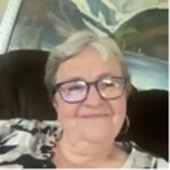
Barbara Baer Pillay
-
Barb was born in Edmonton. She went to Swaziland as a volunteer teacher with Canadian Crossroads International, where she met and married Joe Pillay, a South African exile and ANC member. Back in Edmonton, Barb took a leading role in Citizens Against Racism and Apartheid, which organized boycotts and conferences about apartheid. Barb and Joe worked on Tallcree First Nation in northern Alberta before returning to Edmonton, where Barb worked as a service coordinator for a nonprofit organization supporting people with brain injuries.
DOUG MILLER 00:03
A good day, Barb. I’m Doug Miller, here in Montreal with Amy Kaler in Scotland, and we’re with Barb Pillay. Barb, could you just introduce your name by name and where you’re, where you are right now?
BARB BAER PILLAY 00:17
Sure, I’m Barb Baer Pillay. I’m one of those who kept my family name and just added a married name on without a hyphen, and I’m sitting in my house in Edmonton, Alberta.
DOUG MILLER 00:34
Thank you very much. And you, you’ve seen the consent form that we sent, and you’ve read it and agree to the conditions and so on that are stipulated therein.
BARB BAER PILLAY 00:44
Yes, I absolutely agree to, consent to an interview.
DOUG MILLER 00:48
Thank you so much. Thank you so much. Well, we generally start, Barb, with a really wide open one, and that would be just to let us know a little bit more about your background and what at what point did you sort of become aware of things like apartheid and South Africa and racism of that sort?
BARB BAER PILLAY 01:07
Okay, sort of a little kid in the 60s, so it’s sort of also, I was always a political junkie in a very news-oriented family, I wouldn’t say activist or political in particular, but we were readers of the news and watchers of the news, etc. Then I went to university in 1975 as a 17-year-old, and I studied to be a social studies teacher, so we got to study a bit of history and geography and political science and economics, a whole bit of everything, and I was I was totally aware of apartheid, even at that stage, because as I said. Also back in those days there was a magazine called Time magazine, you may have heard of it in America, but they actually published a Canadian edition in those years, and we got the Time Canada edition every week in our home, and so we got, you know, of course, an American slant on everything, but at least it did go beyond our Canadian borders, and let us know. So I was so very aware of Soweto in 1976 very aware of because a horrible death and detention, so it wasn’t, it wasn’t unknown to me, but I was certainly an outlier at the time, just because I was always a history nerd, as well, so then I started teaching.
I left Edmonton, I was born and raised in Edmonton, as was my dad, so that’s why I had such a proud Edmontonian. I actually have some roots here, and, but I left Edmonton for about 10 years, and part of it was I wanted to, I wanted to experience outside my own city, so I taught in Grande Prairie, a small city in Alberta, and then I taught in a small town in Alberta, and I had always wanted to go overseas, but not as a tourist, I wanted to become a part, not become a part, but experience another world, but not from a tourist viewpoint. So I had taught for four years, and in my fourth year I decided I didn’t actually want to do CUSO, because that was a two-year commitment, and I had also applied to the U of A to do grad school, and I just thought, career-wise, personal-wise, it didn’t matter. I didn’t want to do two years.
So I found out about Canadian Crossroads International, and I applied there, and they said, “Where in the world would you like to go in the developing world? And I said, “The one place I don’t want to go is Africa”, and it was because I knew it already screwed up the continent. I didn’t think they needed another white person to come and do anything there, but because I was a certified teacher with, you know, a bit of experience, I was super easy to place in Africa, so I got my placement, and it was to teach in Swaziland, which, of course, is landlocked by South Africa on three sides, Mozambique on the fourth side, so you know, of course, that was exciting in some ways, because even though I didn’t, I hadn’t wanted to go to Africa. I mean, if there was anywhere to go in 1983 that was certainly a very interesting happening place.
DOUG MILLER 04:56
Oh, by then it was, boy, they were still going on, yeah. Wonderful. So, so, how long were you in about Swaziland? Rather in Eswatini now.
BARB BAER PILLAY 05:09
Yeah, Eswatini, Eswatini, Crossroads was a four-month commitment, but I ended up staying for most of a year. I was sent to a small Catholic mission in the middle of the veld in Swaziland to it wasn’t a place on the map because it wasn’t an incorporated village or anything, it was St. Philip’s School, it was a mission, it had boarding lodgings for the students, we had students come from South Africa, whose parents wanted them to get out of Soweto, and had the means to send them elsewhere, and there I was assigned to teach form one and two English and, and history, etc.
It was, it was great, because it was super isolated, so you know, you, you couldn’t get out very easily, so you kind of had to be part of, be part of the world, be part of their world, but then the other accidental thing was that my eventual husband, Joe Pillay, had been a refugee in Swaziland, but because of other, he had had to skip the country, as they used to say, he had to skip his home in Durban, because of his activism in the underground with the ANC. He had already been in Swaziland for about six years by the time we met. We were both, we both ended up at this school at basically the same time. He arrived a few months earlier than I did, and he chose that school because it was so isolated because he had already been kidnapped and all of that when he lived in a much more, you know, open place and a place that people could get to easily, whereas ours was, you know, not a good road, you had to cross through, you know, dead creeks, and any case, it wasn’t on the map, so it was a great place for him to land up, and yeah, and so, and I like to tell people he was my boss. Oh, you know, it was a small school, but there was 20 to 30 teachers, so we taught in a secondary school, and yeah, so I got, but I came with a background, like I wasn’t totally unknown to what I had stepped into, so yeah, so meeting Joe was not like meeting, oh my God, an alien from another world, it was like, okay, got it. Yes, good that you’re here.
DOUG MILLER 08:06
Wow, that’s quite a, that’s quite a trajectory. Yeah, amazing. And that now, so that’s 1983 you get there. And then, and Joe’s already had his experience with kidnapping and torture, and prison
BARB BAER PILLAY 08:24
Yeah, that was 1981
DOUG MILLER 08:30
Wow, yeah. I can. I can imagine he’s a bit gun-shy by then, that’s for sure.
BARB BAER PILLAY 08:34
Yeah, you know, he definitely still took precautions, even though we were in this isolated village. He didn’t sleep in the same place, you know, very often, and you know it was lovely, though. I mean, I mean, it was, you know, Catholic mission. I just happened to be Catholic, you know, one of those weird Catholics, kind of, but, but good enough. They were great. The nuns at a convent, and they definitely allowed Joe to sleep wherever he slept in the clinic, the medical clinic they ran, you know, the whole community definitely knew of his trauma and, and his need to be safe, and so they’re very good about just being very careful for him, letting him know when strangers were in town, because that didn’t happen. There’s no reason for people to come to St. Philip’s, right? And, of course, you know, park his car and different spots and all that kind of stuff. So, It was pretty good.
DOUG MILLER 09:39
Yeah, so you were exposed very early to some of this more dramatic and nefarious elements of defending yourself against apartheid.
BARB BAER PILLAY 09:48
And also because that was the year that it was made known that Swaziland had actually signed an agreement with. South Africa, called the Nkomati Accord, which allowed South Africa to boss them around even more than they had traditionally, so harass ANC people that were there. So Swaziland was kind of, you know, an interesting place where you did, you had the police, the population, and the governing party supporting the ANC, definitely, at least publicly, but also not, so you know, you didn’t kind of know whether you were going to be okay or not, and Joe had to present himself to the police at police station anywhere in South Africa, in Swaziland, once a month. Okay, so he did. He did that, and you just learn to know which police stations were more sympathetic, which were not, you know, and it was interesting because the I actually came home for Christmas. I was home for Christmas for a month, and almost immediately, again, because of the Nkomati Accord, which wasn’t, which wasn’t news yet, like, and he was teaching too, and that that’s the summer period, right? So you have your six weeks off, or whatever. Well, they immediately just picked him up and threw him in jail. Yeah, this was yes, and just –
AMY KALER 11:30
Threw him in jail for nothing, except being in the country.
BARB BAER PILLAY 11:35
They see people they knew.
AMY KALER 11:36
Right?
BARB BAER PILLAY 11:37
They just threw them in jail.
AMY KALER
Just for harassment. Wow.
BARB BAER PILLAY 11:41
South Africa, we’re doing our thing. We’re doing.. oh,
AMY KALER 11:43
Right, right, right, yeah.
BARB BAER PILLAY 11:46
And then, as soon as school started, “you better go home now”.
AMY KALER 11:50
Yeah, to teach, so it’s okay. “We’ll let you out, so you can go teach, but in your free time, we’ll arrest you and detain you”. Yeah, wow. And that must be, I can imagine walking into a classroom on that first day after you’ve just spent your six-week summer break in, you know, in some Swazi jail.
BARB BAER PILLAY 12:16
He was treated mostly pretty well, and there were, you know, definitely Swazi prison guards, that some were very sympathetic, and, and others you had to watch, but you know, it was, it was, it was, it was kind of a joke, right, because we didn’t know how serious it was at the time, because we didn’t know the accord had been signed, we kind of thought, well, this is just like, yeah, they, they want to be seen as sort of not allowing nonsense to go on over this, yeah, right, yeah, Swazi police are –
AMY KALER 12:56
Kind of playing grown-ups or playing with the big boys, yeah,
BARB BAER PILLAY 12:59
Whether they, whether they really expected anything or not, but yeah, yeah,
AMY KALER 13:05
I had a question. You were there with Crossroads.
BARB BAER PILLAY 13:10
That’s right,
AMY KALER 13:11
And I’m, I’m really interested in the role that these NGOs, like Crossroads, CUSO, so I was a WUSC cooperant in Zimbabwe for a few years in the 90s, and how they sort of fit into people’s involvement with the anti-apartheid movement. Did Crossroads kind of give you any preparation or any warning or any anything when you were sort of dropped into this country completely surrounded by South Africa, or not completely, but you know what I mean.
BARB BAER PILLAY 13:46
Yeah, yeah, you know, Crossroads dropped people all over the world, and it was a pretty bare-bones operation. Not funded, like WUSC, we didn’t have a lot, we didn’t have a, you know, an area captain,
AMY KALER 14:03
Right? Right,
BARB BAER PILLAY 14:04
Four girls, mostly from the prairies, who landed in Swaziland, in the four different corners, sort of, sort of. So, not really. I mean, we were expected to prepare ourselves. Yeah, I mean, we had the typical development education aspect of that, which was great, you know, cross-cultural understanding and culture shock, and how to prepare yourself for that, all those general kind of things. Definitely, we had training in, but not, not country-specific.
AMY KALER 14:38
Right. Okay, so it really was, you really were, like you say, you knew about apartheid, you understood what was happening in a kind of geopolitical sense, and but then you’re dropped into a social setting that where it’s very present and it’s very immediate, even though you’re not physically in South Africa, right.
BARB BAER PILLAY 15:01
That’s right, yeah, yeah, for sure, yeah, yeah,
DOUG MILLER 15:07
Crazy. So, so from there, how do we move the next step? Where we probably want –
BARB BAER PILLAY 15:14
To know how I got into anti-apartheid activity in Canada?
DOUG MILLER 15:18
Well, that’s yeah, you came back at some point.
BARB BAER PILLAY 15:22
For sure. So, I mean, so prior to teaching in Alberta and you know, studying, etc. I didn’t get involved in any activist groups. I was too busy being in choirs and stuff, I probably should have gone the other way, but anyway, so well, Joe and I got married in that March, so seven, eight months later, and we initially, and he was registered with UNHCR, the United, oh my god, United Nations
DOUG MILLER 16:04
High Commission for Refugees.
BARB BAER PILLAY 16:05
High Commission for Refugees. Thank you. And we had a very lovely man from Japan who was our sponsor, kind of check on Joe, so he, he, well, I mean, he too had to sort of play that game of protecting the ANC refugees, but also encouraging them to leave, you know, to get a better spot. But, of course, it was tricky, because Joe and all of the other ANC refugees in Swaziland, that was their first stop. Do you know what I mean? They were, they had landed, or whatever, they had rights within Swaziland, but they couldn’t go anywhere else, right? You were a refugee, you, you land in that spot, and then you’re protected there, but after that, you’re no longer considered a refugee, kind of thing, and because there was the pressure from South Africa, you know, and UNHCR too, was really trying to get everybody either to go to Zambia, just go, because it was not, it was not safe for us to be there.
So, what happened was, so we initially do applied, just, oh, what was it, the family, the family class at that time, permission to Canada as my fiancé, but of course nothing was really happening, and I had to go back home to either go back teaching or I had to start my, my grad school, because they said, “You know, you’ve been accepted, and you actually have to come”, or like, oh right, I got developed a horrible ear infection, which burst my drop, burst my eardrum, blah blah blah, no ear specialists in Swaziland. I’m now connected with this ANC fellow. I can’t go back to South Africa. I’d never – I never went to South Africa at all, right? Other than the airport at Johannesburg, and it would have been too dangerous for me to go there, even though that’s what I needed to see an ear specialist.
So, anyway, we decided that I came back home in August and left Joe behind, but you know the application was already four or five months old by then, and you know that ear guy in Edmonton, you know, solved my problem in two seconds, and away we go, and I started grad school. So, I’m in Edmonton. Joe’s back in Swaziland, still in danger. And the other thing was, I thought, well, I can probably do more for him in Canada, in terms of trying to pressure the system let him in, and let them know the system know that he is not safe, even though he is a UNHCR sponsored refugee in Swaziland, he’s not safe. This is not a safe place for the South African refugees. So, and by then, Nkomati Accord was world news. People knew that, so there was more acknowledgement that this was not a safe landing spot, so in between doing grad school, and I got to know different people, which was very nice. One of whom was a friend of mine, who was also doing grad studies, and she was actually dating a lawyer who was doing immigration law, right, and he was also, you know, he was a woke lawyer. How about that?
AMY KALER
Right
DOUG MILLER 19:57
The most positive sense of the term.
BARB BAER PILLAY 19:59
Right? Okay, new people in Toronto that were also doing lots of immigration law, including I don’t remember this old name, but there was an NDP MP by the name of Dan Heap, he’s really –
AMY KALER 20:16
Well known, yeah.
BARB BAER PILLAY 20:17
He, he brought up Joe’s case in the Houses of Parliament, so that was one thing we were able to do, so I’m doing that, and plus the first thing I did when I got home was, okay, I know there’s there has to be a Southern African community anti-apartheid thing in this city, I know there has to be and I knew in the back of my head that there would have been something called Free South Africa, and I think that was committees were across the country, right?
DOUG MILLER 20:58
Sorry, it was Free South Africa Committee,
BARB BAER PILLAY 21:01
Yeah, South Africa,
DOUG MILLER 21:02
yes, yes, FSAC.
BARB BAER PILLAY 21:07
Yeah, and that was Brenda Wall, yeah.
DOUG MILLER 21:11
Well, they were, they were there in the 70s, that would have been
BARB BAER PILLAY 21:15
Right.
DOUG MILLER 21:15
76 when they had that thing around the Olympics and the boycott of cricket and all that,
BARB BAER PILLAY 21:21
Right? Right. So they, Brenda, had left. Yes.
DOUG MILLER 21:26
Well, by then they were running the SACTU, South African Congress of Trade Unions Solidarity Committee office in Toronto,
BARB BAER PILLAY 21:34
Toronto. Right. Okay. So I, a fellow from Durban, Morgan Chetty, who had immigrated a few years earlier, and he was from Durban, so he, he set up a totally new organization, probably about 82 and he, and he called it, he and his group called it CARA, which was Citizens Against Racism and Apartheid, because he wanted to do the thing right, that we’re not only anti-apartheid, but also racism in Canada, you know, that was a strategic move to try and get Canadians involved, not only, you know, to look at our world too, not just Africa, although South Africa was definitely the main, the main focus.
So, so I joined up immediately, and yeah, so we did the usual thing, you know. We were trying to get the Alberta government to boycott, boycott South African liquor in that fall. I remember standing outside of liquor stores, and you know, by then we’re talking about now we’re ’84, 1984, fall of ’84. That was kind of, you know, that was almost easy, because there had been, there was so much news at that time, and I don’t know, within about six months the Alberta government did take them off the shelves, where everybody was taking South African wines off the shelves, I mean, not that difficult to do, any case, that was one of our, you know, public things, and yeah, and of course, Joe did speak at the no, sorry, that’s later, later, later, he’s still in Swaziland.
So we had public campaigns like that, but also the most important thing that was, that was happening that I was able to be involved with, and you know, it had, it would already start before I got there, that’s for sure. CUSO was, also had made the decision to be politically involved and to be actually pro-ANC and have a very strong presence in Zambia, where the ANC were also located, right? And that was unusual, and it was a bit of a gamble for them, but fortunately they had enough big mouths to say no, this is the absolutely very good, very good, yeah, exactly, that you know that this is the only right thing to do, and as a matter of fact, there was no CUSO in Swaziland, because it was just seen as –
DOUG MILLER 24:25
No, no way, we couldn’t operate there. We did operate in Botswana, and it was a very activist committee,
BARB BAER PILLAY 24:33
Yes, yeah, exactly right, so I’m kind of talking your, your, your world, but anyway, so CUSO Ottawa, CUSO Alberta, the Alberta Federation of Labour, I think with some support from Canadian Labour Congress or whatever, and I can’t remember, but I think the churches were involved, probably the United Church of Canada, if not the mainstream churches. Anyways, they got funding and offered staff help to put on a conference in Edmonton at the U of A, and I think it was March of 85
So I was on the planning committee for that, so there was those four big guys, CUSO, AFL, for sure, us as CARA, so we were the NGOs, and we were the NGO involved, so CUSO was the service provider, if you want to call it that, and the AFL, the workers’ rights, and then I think the churches were there too. Anyways, we have this. I was on the planning committee. We’re at this amazing conference in Edmonton. I’m sure there was easily 150 to 200 delegates that came, yeah, for the weekend, and we had plenaries. We had, we had was telling Doug, we had Linda Freeman came from Carleton, and David Beer came from CUSO, and I’m pretty sure Yusuf Saloojee came from the Toronto ANC office. Trying to think of if there was any, I’m sure SACTU was represented too, but I can’t remember who came, and Dave Werlin was the head of the AFL at that point. He was, yeah, he was the head, and he was very, very strong, very strong anti-apartheid guy. He was, he was, if you can believe this, in Alberta, but he was a card-carrying member of the Communist Party of Canada,
AMY KALER 26:45
Really?
BARB BAER PILLAY 26:46
Yes
AMY KALER 26:47
In the 80s?
BARB BAER PILLAY 26:48
Yes.
AMY KALER 26:49
Wow. Okay.
BARB BAER PILLAY 26:50
Yeah, he was the member elected president, the AFL at the time. But again, we kind of hit the right moment, right? It was, yeah, it was the sweet spot of his, you know. If there was a sweet spot, but it, you know, at that time it sure seemed like we were still butting heads against an immobile wall, that’s for sure conference, but you know.
DOUG MILLER 27:22
And the conference, when they were mostly like you mentioned, the delegates who came, some the roster of eminent anti-apartheid is like Freeman and Beer, but, but with most of the delegates were Albertan, and good cross section of the population, and what about, for instance, the Indigenous people, and was there a Black community, and was there how were women versus men represented?
BARB BAER PILLAY 27:51
Yeah, yeah, no, women were pretty, very, very involved, especially in the conference planning stuff. Indigenous element was pretty no, pretty not definitely within the Black community, definitely the South African refugees, South African students at the U were all involved in UK, for sure. Yeah, yeah, yeah, yeah.
AMY KALER 28:18
Was this booked into you mentioned you were doing graduate studies at the U. I’m wondering, like, what, what department were you in?
BARB BAER PILLAY 28:26
I was in education, and being education admin, so okay, processes and power, I wasn’t looking at how to be a principal. I was looking at the organizational stuff, right?
AMY KALER 28:41
Right, right. Okay, but there was a sort of a community of South Africans sort of floating around, yeah, university,
BARB BAER PILLAY 28:51
That’s right, a little bit like not, not huge, but yes,
DOUG MILLER 28:58
And what kind of, what kind of initiatives or consequences came out of the conference?
BARB BAER PILLAY 29:08
I remember that there was definitely there was even delegations from rural churches in Alberta that, yeah, which was very cool.
AMY KALER 29:24
The United Church would have been all over that.
BARB BAER PILLAY 29:27
Absolutely. Definitely went back with the real sense of, of, you know, we need to organize our churches and do the divestment thing, and etc. etc. whatever they could do, yeah, was
AMY KALER 29:44
That? I mean, you’ve mentioned boycotting South African products and getting liquor stores to take South African wine off the shelves, and you’re mentioning divestment now. Was there like a. Main sort of tactic that you collectively, I guess, were focused on at that time.
BARB BAER PILLAY 30:08
I think, I think main, the main thing that came out of the conference was then in the final plenary we definitely tried to get the group as a whole to validate the ANC as a, the main group,
AMY KALER 30:30
Right?
BARB BAER PILLAY 30:32
Yeah, and of course, with all the background and the background voice and all that, that was a big thing.
AMY KALER 30:38
Right?
BARB BAER PILLAY 30:38
At the time it was like it wasn’t a for sure thing, but so then I think more it was more on where the big boys were, it was more to get the governments, especially the government of Canada, to recognize the ANC as the official voice, or whatever. But as far as what individuals did, there wasn’t really any thing that we agreed upon to do as next steps. Do you know? Right,
AMY KALER 31:14
Just kept on with what they were doing. Yeah.
DOUG MILLER 31:18
Now that’s 1985 Did I hear the conference was –
BARB BAER PILLAY 31:21
Yeah, spring of 85 and –
DOUG MILLER 31:24
Where’s Joe now?
BARB BAER PILLAY 31:25
In Swaziland. Well, a series of good coincidences happened there, so this, so the process had already been a year old in January of 85 and he’d already been through everything months before. What he was waiting for was the CSIS imprints, and you can imagine how often the Canadian reps made it to Swaziland, it was a priority, and of course they didn’t really want a known ANC person, so it’s not like they rushed over to do it. Right so we knew, we knew by the fall that that was the last thing our UNHCR guy knew that, and he was able to tell Joe, so only this one step left, but we don’t know when they’re coming, blah blah blah blah blah.
So I knew that as well, of course, so in in Edmonton there was this young man by the name of Brian O’Curley, who was in his first year, as was I, and he was from Edson, and if you know your Alberta history, well, I’m putting you on the spot, Doug, Joe Clark was the MP for Edson, all of Highway 16, Yellowhead right, so Clark’s thing. He was a foreign affairs minister at that time.
AMY KALER 33:11
So Joe Clark?
BARB BAER PILLAY 33:12
Brian O’Curley from Edson was Joe Clark’s right-hand man. It, he was his right-hand volunteer. He was one of the millions of volunteers that kept plays running while he was busy in the world, and Brian was like the most conservative fellow, and but he was a Canadian conservative, you know, he wasn’t a nut, so yeah, he said, “You know what, Barb? I could, if you want me to. I won’t do it if you don’t, but if you want me to, I’ll put in a word with Joe next time I see him”. Like, oh my god, yeah, let’s get Joe Clark to get Joe Pillay, good ANC boy, to go to Canada.
AMY KALER
Get him out of Swaziland.
BARB BAER PILLAY 34:02
Yeah, and he did.
AMY KALER
Wow, he did. So, Joe Clark just sort of did a, reached down and scooped him, Joe, up.
BARB BAER PILLAY 34:12
All I know is security came by Swaziland within 24 hours, even though they gave Joe a good grilling. Believe me, it was not an easy process, but they had their decision pretty damn quick. Within 24 hours, Joe phoned me and said, “Okay”, this was April. He said, “Yeah, I, you know, they phoned. I have permission to come”. And so school wasn’t over yet. There was three weeks of school left, so I told him, of course, get on the plane tomorrow, and he said, “Oh no, I have to finish teaching my term. I can’t leave the students”. I said, “Are you crazy?”. But, of course, he’s crazy, and yes, he waited out the term if. Initiative term Canada, but the day that day I heard from Joe saying he had gotten permission, the very next day Joe Clark’s office called me and said, “What’s happening with Joe? I said, “Hey, you got permission yesterday? And they said, “Oh, good, good, good”. So they knew about it.
AMY KALER 35:25
Yep, right, yeah. And those were like you say, those were old, like, Alberta Red Tories, like Peter Lougheed, and the, sort of, like try to be a little bit upright and moral, yeah.
BARB BAER PILLAY 35:43
Socially progressive, just.
AMY KALER 35:45
Yeah.
BARB BAER PILLAY 35:47
Yeah. The name at the time –
DOUG MILLER 35:50
Progressive Conservative.
AMY KALER 35:52
Well, that was the name, yeah, yeah.
BARB BAER PILLAY 35:56
It actually meant something to some people, for sure.
AMY KALER 35:59
Yeah, yeah, boy, those were different times.
DOUG MILLER 36:03
Flora MacDonald would have been another one of those.
BARB BAER PILLAY 36:06
Absolutely, Flora was big, huge.
DOUG MILLER 36:09
Well, that was an amazing leverage of levering power. I mean, that was,
BARB BAER PILLAY 36:15
Yeah, yeah, but it was all a stupid coincidence, right? It was like –
AMY KALER 36:18
Right, you just happened to be in classes in the same cohort with Joe Clark’s volunteer campaign manager, or whatever, yeah.
BARB BAER PILLAY 36:28
Never would have happened in a million years, but it just all came together. It’s crazy.
DOUG MILLER 36:33
What a relief, I’m sure.
AMY KALER 36:38
Pillay arrives in Edmonton, 1985 right.
BARB BAER PILLAY 36:45
May 5, 1985 Yep.
AMY KALER 36:47
Talk about a, yeah, talk about like jumping from one world into another.
DOUG MILLER 36:54
At least you brought him at a decent time. May, my goodness, it’s not – wouldn’t want him to come in February, for crying out loud, and turn around and go back and say, “I’ll just deal with the South Africans”.
BARB BAER PILLAY 37:13
Joe had been in in Canada before and in winter, so he knew what he was getting into, right? right. Oh God, you know, because that’s, I don’t know, it’s crazy to bring somebody to a place they’ve never been before, and you know, although Southern Africa is pretty Western, Western Envision, and
AMY KALER 37:39
Yeah, but you know, rural nowhere, you know, Swaziland to Edmonton in the 80s would be something, and then when, when Joe finally got to Edmonton, did you continue anti-apartheid work? Yeah, yeah, so how did that, how did that like play out?
BARB BAER PILLAY 38:04
Yeah, so we, yeah, so CARA, of course, was still, was still active, I think we all, you know, took a big breather after the conference, and think we’re wore out, but yeah, like that, Joe, he had at least one speaking engagement, several like on the campus, and that kind of thing.
AMY KALER 38:28
Right?
BARB BAER PILLAY 38:29
Yeah, but we only stayed in Edmonton for like 16 months. So then we were in Northern Alberta on a reserve, so you have to say that, that for my involvement, anyways, it was those few months leading up to the conference, etc.
AMY KALER 38:55
Right.
BARB BAER PILLAY 38:56
Then Doug, you know how Joe was involved while he was up north, while we were both up north through Vula, and, and his, and his connections was remaining, retaining his connections to ANC.
DOUG MILLER 39:12
He was still an ANC underground operative.
BARB BAER PILLAY 39:15
Right, right, right.
DOUG MILLER 39:17
And what, what, what, what were you aware of, or how would you have related to that?
BARB BAER PILLAY 39:24
Not very much, because you know, living in Swaziland, you know the less you know the better, right? When you’re involved, when you are part of that world, and so obviously we had a computer, we had the internet, and stuff, but yeah, no, we didn’t really, we didn’t just – His background, yeah, for sure, yeah,
AMY KALER 39:57
And that would have been very early days of the internet, too. I’m just thinking.
BARB BAER PILLAY 40:03
Early days, yeah.
AMY KALER 40:04
When it was old-fashioned –
DOUG MILLER 40:08
Old-fashioned modems with the telephone that made that ridiculous noise
BARB BAER PILLAY 40:12
Wasn’t that bad, but it was definitely dial-up. Yeah, dial-up, yeah, yeah, yeah, yeah.
DOUG MILLER 40:21
So, so I guess Tall Creek is, is that remote that you just don’t have the place to exercise an anti-apartheid activist agenda, right?
BARB BAER PILLAY 40:32
It was, it’s, it’s Tall Cree, as in Cree.
DOUG MILLER 40:36
Oh, that’s right, Tall Cree. I’m sorry, yeah,
BARB BAER PILLAY 40:39
No, very, very small, very small reserve.
AMY KALER 40:43
And that’s up near, am I right in thinking that’s near Fort Vermilion, or have I got –
BARB BAER PILLAY 40:50
That’s exactly right. It’s an hour and 15 minutes on a gravel road directly south of Fort, and we were on the Wabasca River.
AMY KALER 41:01
Yes, yeah.
BARB BAER PILLAY 41:02
Fort Vermilion is on the mighty Peace.
AMY KALER 41:05
Right?
BARB BAER PILLAY 41:06
Yes, yeah. And the Cree families were from originally were from down Red Earth Creek. No, they migrated further north in the 30s and 40s away, away from the Wabasca area, which was heavily populated and not as much moose and stuff. Just moved further north, but Fort Vermilion was a fort there for 300 years. And when we came there, in 86 Hudson’s Bay Company store.
AMY KALER 41:50
Yeah. And then you were probably, I’m guessing, still having people coming in with their furs, or you know, with the traplines, whatever they’ve gotten.
BARB BAER PILLAY 42:00
Kids would do that for sure. I mean, we weren’t, but I used to always tell people, you know, actually coming from isolated Swaziland, where I, as a teacher, had running water, the people here did not have running water. To live in Northern Alberta I, as a teacher, had running water and a furnace, and the people had trucked in water and wood stoves, so about the same. Yeah, it was bloody hour and 15 minutes on a bloody gravel road to get a bloody newspaper, southern Africa, same thing. We get a radio. Somebody gave us what do you call those radios, that -?
DOUG MILLER 42:56
Shortwave?
BARB BAER PILLAY 42:58
Yeah, shortwave radio. The only, the only radio station we could get was Radio Havana. That’s it, Radio Havana in perfect English.
AMY KALER 43:12
Who knows how, like, the atmosphere is doing something weird. Yeah, so not even the CBC in any of its forms?
BARB BAER PILLAY 43:20
No. In Fort Vermilion we would have been able to, but we were just too far south,
DOUG MILLER 43:28
And as far as, as far as with the folks, the Cree people was, it was there, was there an awareness of any connections where on colonialism in South Africa and Canada, and did you ever end up in discussions at all with anybody that about such things?
BARB BAER PILLAY 43:47
Yeah, for sure, for sure, for sure. But you know, it was kind of, I would say they weren’t that interested. They see it as their fight. Well, you know. there was, I mean, no, you, you.. if you learn what you live, so of course, Black people, for them, were the lowest of the low.
AMY KALER 44:13
Okay, right,
BARB BAER PILLAY 44:16
Yeah. And even Joe, because he’s South Asian, he’s Indian, right? He’s not, you know, it took a little bit. Definitely, they certainly saw him in a different light as white people.
AMY KALER 44:30
Right? Yeah, I guess living up in Northern Alberta, especially at that time, different now when you had so much immigration, but including into the hinterland, but at the time it would be completely possible to live your life up there and never meet a Black person, so or never meet someone.
BARB BAER PILLAY 44:53
I hate to say this, but in some ways it was the opposite. Because what white Canadian wants to live on a reserve in the Northwest Territories. Oh, okay. Why would we be there? Because we couldn’t get a job anywhere else. African immigrants, the same, they’re not going to get a job in Edmonton, they’re going to get a job in Wall Lake or Inuvik. So I gotta say, even in that way, the First Nations peoples felt they were getting less than best.
AMY KALER 45:30
It’s like you’re up here because you can’t get a job anywhere else, and so we just get whatever is left over.
BARB BAER PILLAY 45:37
Yep.
AMY KALER 45:38
Oh, wow. Okay, that sounds kind of painful to be on the receiving end of that belief. Yeah,
BARB BAER PILLAY 45:49
Understandable. It’s understandable, but it’s, but I mean, it’s just, you know, people don’t, people don’t experience, they don’t read enough, you know, like somebody is reading, somebody our age was reading Joe’s book the other day, and he got it from a friend, and, and he said, and you know, he’s got to be 65, 70 or whatever, and so this is years ago, and he said, and he just said, you know, he said, I just never knew this happened. This is where you just shrug your shoulders, and you go, you know, you tell these tales and people look at you like you are an alien, a Martian.
AMY KALER 46:39
Like it’s just so unimaginable.
BARB BAER PILLAY
Yeah,
DOUG MILLER 46:41
What? But what about eventually? Now it’s 1990. Are you still up there?
BARB BAER PILLAY 46:49
We had just come back. We stayed up north for three years, and we came back the summer of 89
DOUG MILLER 46:59
Okay, so now you’re –
BARB BAER PILLAY 47:01
So Mandela was released in spring of 90
DOUG MILLER 47:04
February, yes,
BARB BAER PILLAY 47:07
Yeah, yeah, yeah, so yeah, so we’re, so we’re in Edmonton, working, Joe’s working in the inner city, trying to be the, the, what do you call, an education organizer, so trying to get kids in the inner city who have not been able to stick in regular public school to find them programs that would stick, and then, of course, Joe found out that no, no, public schools are not ready to handle this, so he just, he just set up his own school, so that’s what worked very well. I was working in the field, in the field of inner city literacy, inner city.
AMY KALER 47:56
Oh, okay. Were you attached to Boyle Street?
BARB BAER PILLAY 48:02
Yeah, Worked for the Boyle Street Co-op,
AMY KALER 48:04
Right? Yeah, okay, yeah, that’s what I thought. I just, yeah, putting the pieces together there, yes, yeah, yeah. And how was, I mean, you’d been off, been up north for a few years, came back to Edmonton, was the Edmonton sort of anti-apartheid stuff, was it still alive when you came back?
BARB BAER PILLAY 48:26
So we had, we had two and a half year old with us.
AMY KALER 48:35
Yes, so politics stuff, just the –
BARB BAER PILLAY 48:38
Politics, but definitely getting established and getting work, and then, and I also, I got pregnant as well, so we definitely maintained a relationship with Morgan of CARA. Yeah, but things were moving right, 89, 90 things were moving fast within the whole South African sphere that it was more just a sharing of information of what was going on, rather than activity.
DOUG MILLER 49:17
How was the right, almost when Nelson Mandela came out, what kind of reaction did you see around you, and, and yourself, for that matter? How did you?
BARB BAER PILLAY 49:27
For us, it was unbelievable, but absolutely unbelievable. It was like watching the man on the moon.
AMY KALER 49:37
Wow, yeah,
BARB BAER PILLAY 49:38
Absolutely.
AMY KALER 49:39
Did you stay up late at night just to watch and see when he actually came out?
BARB BAER PILLAY 49:47
Yeah, yeah, it was unbelievable. I think for regular people it was just like, sure, that’s great. We’ve known, you know, we’ve kind of known the Mandela name, we’ve got the. Had seven years, that’s in our brain, so that’s right, yeah, out of jail. This is very nice, but it wasn’t of incredulity, as it was for us. But what? Because when this –
AMY KALER 50:15
Really happened, or –
BARB BAER PILLAY 50:16
When Joe left in 85 is like “we are decades away, decades. We’ll never see this in our lifetime, never”.
AMY KALER 50:28
And then not even 10 years later,
BARB BAER PILLAY 50:31
Not even, exactly. Yeah. It was truly so. What?
AMY KALER 50:40
Yeah. Yeah, so were you connected into, I mean, very soon they weren’t going to be exiles anymore, but the sort of the South African exile networks in, I don’t know if there was one in Edmonton, really, but in Canada, and you know, people in Montreal, Toronto, other places, or was it just kind of like we’re going to turn down the volume on that part of life because we’ve got these kids that we need to raise.
BARB BAER PILLAY 51:15
Yeah, I mean, we definitely stayed in touch with at least some, some, some of the South African diaspora, and all that, but yeah, I mean, there was, there was no like dancing on the streets or anything, because it was just too small of a community to pull that off, a lot of, sort of great deal of relief, because, of course, everybody had people back home.
AMY KALER 51:45
Right? Right. Did you ever think about going, like, to South Africa, like, now that the ANC is unbanned and Mandela has been released, and the first, you know, democratic elections are coming up. Did you consider maybe we’ll just uproot everybody and go be part of it?
BARB BAER PILLAY 52:07
You know, as we watched him walk out of jail and walk down the street with Winnie, there was a fleeting moment. Fleeting moment of that, but yeah, it was very fleeting, because we were not naive of what there was meant, you know, first step of a very long process,
AMY KALER 52:36
Right?
BARB BAER PILLAY 52:40
I think, and I think that Joe was pretty realistic,
AMY KALER 52:46
Right?
BARB BAER PILLAY 52:47
It’s not like he was a big guy, he was not a big man in the ANC again. He was not African. Not like he thought he. I think he just saw, “I’m gonna uproot again”, you know, “find a spot for me”, right? 30, let’s see –
AMY KALER 53:17
Yeah, and potentially uproot a couple of kids, and come across the world, yeah, yeah, I can see that,
BARB BAER PILLAY 53:28
And his family would have, which was a large family in Durban, would have said, No”, like don’t, like when I told, I you know, in again 84 I’m telling his siblings and his mother “I’m taking them away, is that okay?”. And they’re like, “Yeah, do it, do it, please quickly”.
AMY KALER 53:53
They understood that even now, was released, it won’t be safe, it won’t be, it’s not just not a good idea.
BARB BAER PILLAY 54:02
No. And his nieces and nephews were very involved in the UDF and great, all the above ground stuff that you could do in South Africa in those late 80s, which was, to see that next generation really took it on, really fabulous. And his youngest brother, but because his youngest brother always had an actual position with the ANC, yeah, he remained right, yeah, yeah.
AMY KALER 54:32
Right, right, yeah, yeah.
BARB BAER PILLAY 54:36
Yeah, and he rose through the ranks, Ivan, he’s a smart guy, rose through, yeah, but honestly, you know, we sit here today, or even 10 years ago, or 20 years ago, and we never regretted not moving back.
AMY KALER 54:48
Right? Yeah,
BARB BAER PILLAY 54:49
Whether the ANC put his brother through hell.
AMY KALER 54:53
Right?
BARB BAER PILLAY 54:54
Hell. He became like the secondhand man in the finance department. Department that was trying to go after the guys who were corrupt and were money laundering, etc. So they got rid of him, you know? You know, he lost his job and all that, but his reputation remained intact, and many will support him and stuff, but so, so, where exactly in our lives do you want to ask us about who do we feel, you know, what is the feeling of betrayal feel like.
AMY KALER 55:32
Right?
DOUG MILLER 55:37
I wonder, how, I was sort of getting into that kind of reflection now, over it all, sort of. What do you think of that, that what you went through? And how did it form you? How did it shape you? And be where do you think we stand today?
BARB BAER PILLAY 55:55
Sure. Well, fortunately, we’re both kind of ducks that the water kind of flows off the back, and we both have that, you know, bigger sense of history, and understand that it’s not personal, you know, right? Personal, the obvious betrayals, it’s just that time, and how that thing is going to go, and how it’s not that it’s anything we did, or anything, it’s not, you know, it’s don’t even blame people, because it’s just.. it’s not a thing of blaming. It’s, you know, where are you at in, in your understanding, and your education, and your understanding of history, and your understanding of processes, and how we get people to move to that greater world idea, as opposed to, hey, now it’s my turn.
AMY KALER 56:44
Right? My turn to get the everything that the white guys were.
SPEAKER 1 56:52
But now it’s my turn.
AMY KALER 56:53
Yeah, yeah, no, that’s a, that’s a huge, I don’t know, such a common dynamic, or whatever. After there’s been dramatic change anywhere, it’s like –
BARB BAER PILLAY 57:05
And you see it in the First Nations as well.
AMY KALER 57:09
Yeah.
BARB BAER PILLAY 57:10
You know, our community did pretty well. It was a lovely community, but we were super ridiculously isolated, and the chief was never around because he lived in Edmonton and when he was around you could see the gold around, oh my
AMY KALER 57:31
Gosh.
BARB BAER PILLAY 57:32
Right. Not, it’s not different, it’s not, yeah. I mean it is, but yeah, we, yeah.
DOUG MILLER 57:47
Okay, well, and where are we?
BARB BAER PILLAY 57:50
Now? Yeah, in terms of South Africa, or –
DOUG MILLER 57:58
Well, you, you were obviously part of that struggle in whatever way it was.
BARB BAER PILLAY 58:05
Right?
DOUG MILLER 58:06
What kind of reflections do you have on that?
BARB BAER PILLAY 58:10
Yeah, well, I mean, you can argue about what came out of 1990 and what came out of the ANC being the governing party last 30 or 40 years, and, and certainly they’ve done lots horribly wrong, and they’ve done lots horribly well, and all of that, but I think overall, even though it didn’t turn out to be the kind of social democracy we would have liked.
But you realize one of the reasons why they let Mandela out was the corporate world realized that if they helped him along they’d get to get their pie, whereas if they didn’t, then right, they had way more control by doing it than given that, and given that that was not the outcome that a lot of us would have preferred, including the population of South Africa, especially like peasants. You still have to say, though, “Oh my god, I’m so glad they let him out, so glad they in those three years did bring in a kind of democracy” that, yeah, I wouldn’t wish it that it didn’t happen,
AMY KALER 59:39
Right? Right.
BARB BAER PILLAY 59:40
Not in a minute, even. Because you just see, I mean, this is how communities and cultures move along. It’s like we unfortunately go through, you know, there are definite losers.
AMY KALER 59:58
Right? Right. It, yeah, and it’s the work of generations rather than years, for I don’t know, at least I think any kind of really durable changes or moves forward to happen,
BARB BAER PILLAY 1:00:16
Yeah, yeah, just generations. Yeah, I don’t know that we were so bloody brilliant back then that we thought that at all, but yeah, in hindsight, in hindsight, yeah, but as I said at the time, we were still shocked, we’re still shocked that it happened. Of course we didn’t see the fall of the wall, we didn’t see that coming, either, the Soviet Union system, and all of that, all, which played a huge role in all of these things, right,
AMY KALER 1:00:52
Right, right, yeah, yeah, there is this, this quality of being like, “Oh my gosh, I can’t believe that really happened”, you know, or that happened so fast, like –
BARB BAER PILLAY 1:01:03
Fast. Exactly.
AMY KALER 1:01:05
Two weeks ago, this was impossible, and now it’s happening on my TV screen. What is going on here?
BARB BAER PILLAY 1:01:12
Very true, very true.
DOUG MILLER 1:01:13
Well, Barb, unless you’d like to add one last word or two, I think this is sort of wrapping it up quite nicely.
BARB BAER PILLAY 1:01:23
Well, I’m I, and again, you can argue about all sorts of the ins and outs of Canadian policy and Canadian politicians, Canadian people, and but really I’m absolutely proud. I’m absolutely proud, and I have no problem in saying I’m even proud of John Diefenbaker, kicked the South Africans out of the Commonwealth, right? Proud of Brian Mulroney, who remembered his school days and said this anti-apartheid stuff is wrong, he had his time in history, he had, he had the guts, or whatever, to at least do one thing right.
AMY KALER 1:02:11
Right, yeah, help out.
BARB BAER PILLAY 1:02:12
And I’m very proud of all of the, all of the people across Canada who saw that this was a fight that, while we can argue about ins and outs and little things. The main thing everybody agreed on, apartheid, was absolutely wrong.
AMY KALER 1:02:37
It, right? Yeah, yeah, and ultimately, like you say, you have people coming at it from every different angle, from the great revolutionaries to the Brian Mulroneys of the world, you know, but what connects them is this sense that this is a moral wrong, and we have the power to change it, so we have to use the power.
BARB BAER PILLAY 1:03:03
That’s right, and even if we don’t have the power, we still have to work for it.
AMY KALER 1:03:08
That’s interesting. Yeah, even if we don’t, well, like you say, you never thought Mandela would, would emerge, you know, in your, in years, but yet you still have to keep working towards it, whether or not you are confident that you’re going to see the outcome that you want. Yeah, yeah. No, that’s a good way of expressing, I think, what a lot of our interviewees have communicated.
DOUG MILLER 1:03:39
Amazing. I thank you so much. What a wonderful insight.
AMY KALER 1:03:44
Yeah, and Barb, when I’m back in Bonnie Doon, I’ll look you up. Exactly, exactly. Yeah, I didn’t realize we were neighbours, but yeah, Bonnie Doon is not a big place, so yeah.
DOUG MILLER 1:04:01
I’m going to just turn this recording off. Having said thank you and thank you again.