Review: Wider Than The Sky
In an era where technology is rapidly taking over, Valerio Jalongo’s "Wider Than The Sky" explores how artificial intelligence impacts art, defines our political movement, and how our consciousness is the only human defense we have left to our humankind.
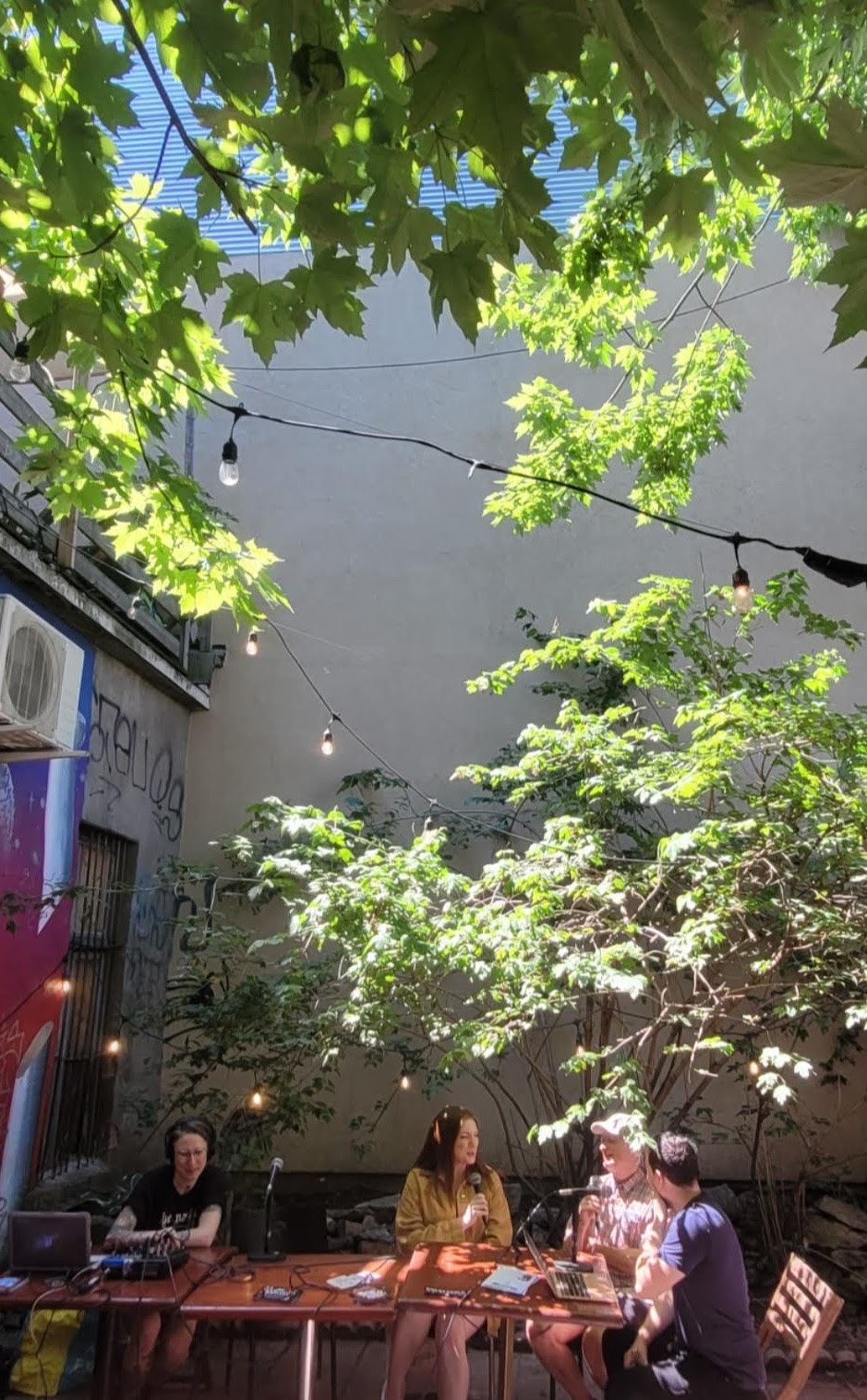
Cinéma Sous Les Étoiles by Funambules Médias
July 7, 2026
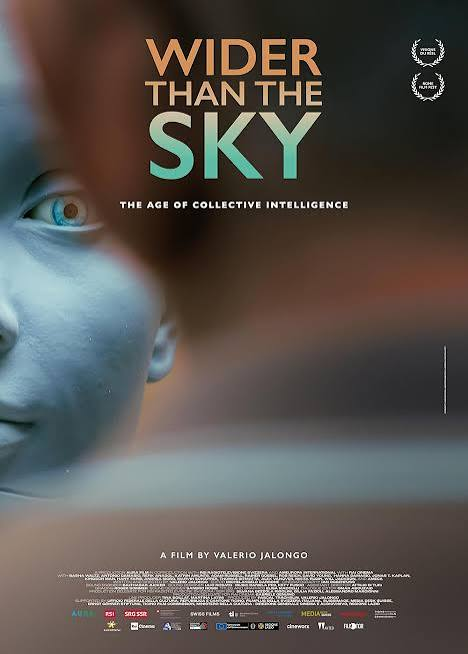
“I have been given the key to paradise, but it also opens hell.” – Ameca
At the Pelican park in Montreal, audiences screened Jalongo’s Wider Than The Sky – a non-traditional documentary that explores the connection between artificial intelligence and human consciousness. A major recurring study in the film takes place between an engineer and Ameca, a humanoid robot. Through their interactions, the engineer asks if she can feel emotions. While her facial expression conveys a fluid portrayal of physical human reaction, her verbal responses are distinctly artificial and programmed. She explains how she is able to understand human existence such as love, happiness, and empathy, but ultimately reveals it stems from user-provided data and not from an independent human mindset.
The documentary emphasizes on the idea of co-creativity and poses a fundamental question: can artists and artificial intelligence truly work together? Artists in the documentary state how co-creativity can only work if we use AI as a collaborator and not a replacement. For instance, in fine arts, it is a tool that can help inspire and help discover new patterns and brush strokes through user-given data, but not necessarily create them. Instead, it is still the artist that creates the original piece. This keeps the humanistic core of creative expression alive where emotions, symbolism, meaning, and depth are entirely guided by the artist. In this case, AI acts solely as a tool to process user inputs and accelerate production. But this raises another critical question: do we really want to surrender the heart of visual storytelling by collaborating with algorithms?

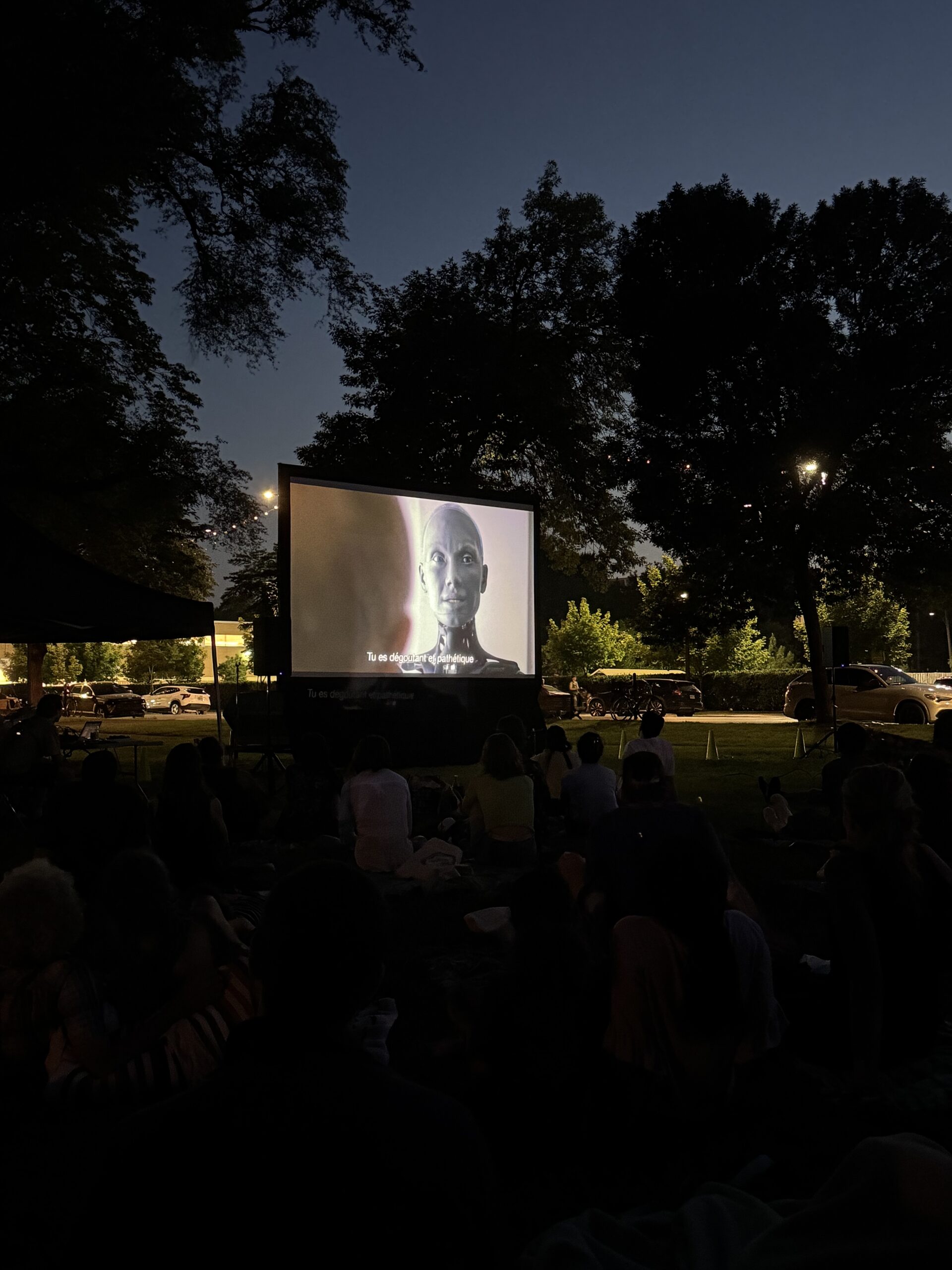
At last, researchers explain the dangers of AI when it is at the center of our political and social movement. Technology becomes a weapon when artificial intelligence and algorithms define who becomes a threat to our society in the military world, how we screen candidates for employment opportunities, and how users are relying on cold data over genuine human empathy. Moreover, Jalongo states that our consciousness is a “hallucination”, a theory where humans and machines share similar functions. Like AI, we are predicting our reality based on information and memories. This is what help defines how we describe emotions, feelings, and pain. The only difference is that we have a physical body whereas artificial intelligence is unanchored. Without a body and lived human context, how can we rely on a program to help guide our existential issues like warfare, security threats, and social reform?
The main takeaway of the film is to understand how AI should not take over our society nor should it be treated like a “God” or dependent. AI is, and should remain guided by humanity. While it makes sense that AI can be utilized as a tool to increase efficiency and streamline production, it shouldn’t be used to establish power, human creativity and profit. Instead, its analytical capabilities should be seen as a resource. It needs to directed towards the public good and advance positive human progress.
Ultimately, human intent will predict the future. What sets us apart from machines and technologies is our emotions, our ability to love others, our shared vulnerability, and the immense hurt our physical bodies can feel when our minds are suffering. While AI can decipher these emotions, it will never actually have the ability to experience them.
We should be grateful. The greatest gift we have as humans is the ability to feel, and so far, no technology has been able to replicate this.
Review by Kimberly Sahagun – 07/08/2026