Film Review: Summer 2000 – The X-Cetra Story (Film POP)
Screened as part of the POP Montréal festival, "Summer 2000 – The X-Cetra Story" documents the creation of Stardust, the DIY girl group X-Cetra’s sole album released in 2000, and the group’s reunion two decades later.
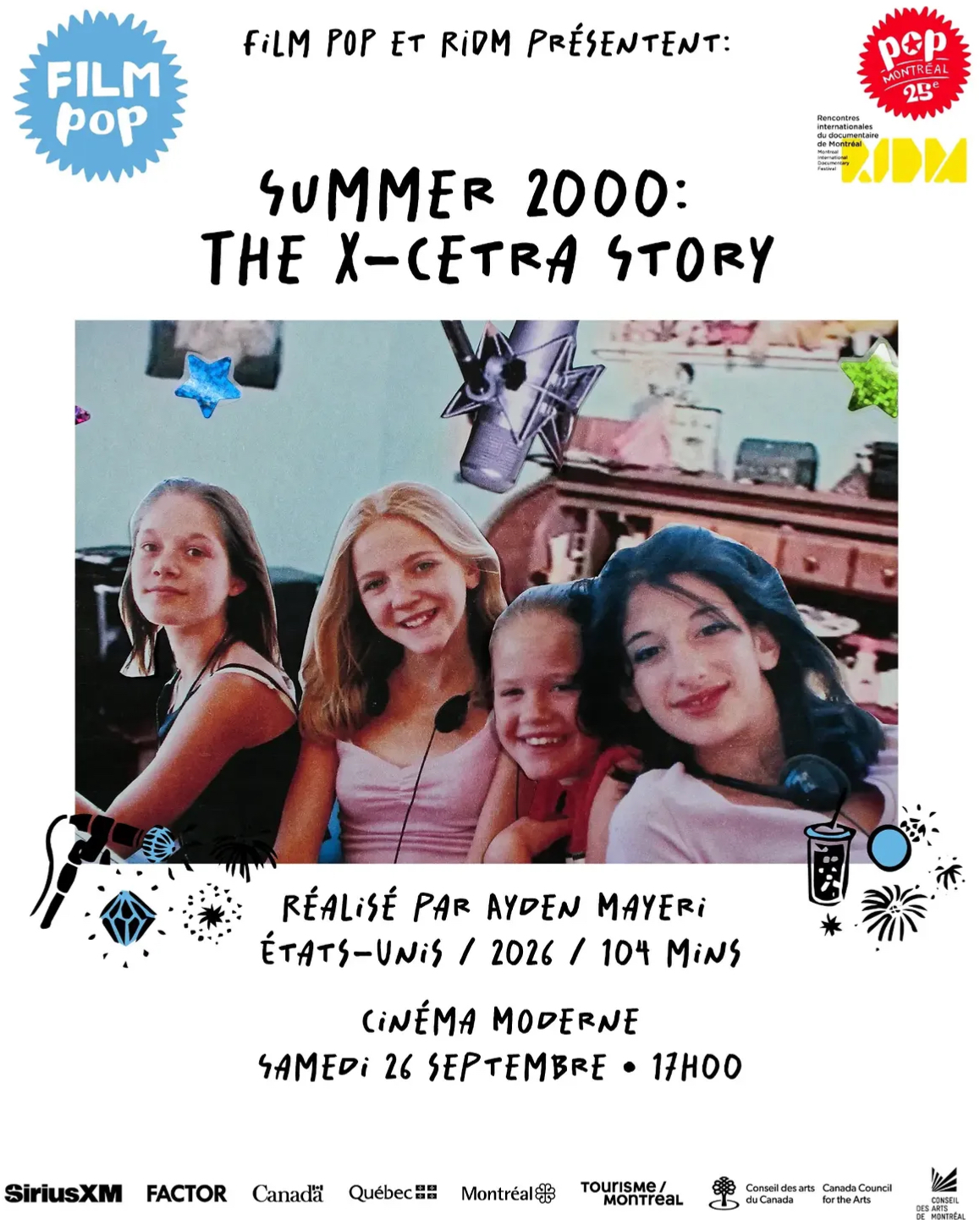
Directed by Ayden Mayeri, one of X-Cetra’s four members, the documentary presents a tale of girlhood, creative expression and friendship using a collage of home videos from the turn of the century and recent footage of X-Cetra. The film is heartwarming, candid and sprinkled with humour. However, in its attempt to balance the depiction of the creative process behind Stardust with broader themes of self-expression and coming-of-age, its impact is attenuated for long-time fans of the album and for viewers who are utterly unfamiliar with it.
Listening to X-Cetra’s Stardust is akin to picking up on an orphan radio signal from the early 2000s. Re-issued in 2025, the album sits at the uncanny intersection of 60s girl bands, 90s electronica and 2010s hypnagogic pop. Stardust’s architects were Janet Washburn, Mary Washburn, Jessica Hall and Aiden Mayeri, four pre-teen girls who saw themselves as the next Spice Girls. Enlisting the help of Janet and Mary’s musician mother, Robin O’Brien, the result is an eclectic piece of work far from what the girls had in mind. O’Brien had added the girl’s vocals to electronic, oftentimes psychedelic, tracks by a German friend and producer. “Wasn’t There” is a lament featuring exotica-tinged vibraphones and drums, while the upbeat “Summer 2000” features trumpets and lively audio samples of the girls playing together. The girls demonstrate their closeness by offering each other advice on “Conversation,” and their endearing lyrics are grounded in their pre-adolescent realities and the potentiality of young adulthood. Unfortunately, as X-Cetra’s members entered middle school, the album’s heterogeneous sounds became a source of embarrassment, and the project was shelved.
Summer 2000 – The X-Cetra Story focuses on the personal difficulties that X-Cetra faced while making Stardust and addresses its members’ fallout as they entered adolescence. After collecting dust for over twenty years, the album’s unexpected resurgence on online music forums gave the girls, now women, a reason to reconvene in their hometown and rekindle their creative drives and their bond with each other. Using the women’s reunion and archival footage as primary materials, Mayeri’s documentary delves into what remains of childhood friendships and uninhibited creativity in adulthood.
There are many tender moments in the film as the X-Cetra members, now all in their 30s, work together on a new track and attempt to answer why they drifted apart decades earlier. The women reflect on the depth of feelings and the naïveté they experienced as children, and how external pressures gradually stifled their desire for self-expression. Creating a new X-Cetra song with a dance routine is daunting for them. They take vocal lessons, work with a music producer and film a music video, which forces them to confront their past and present group dynamics. The artistic process requires them to dissect the disruptive effects that teenage self-consciousness and romance had on their imaginations. Revisiting Stardust and recounting their childhood during interviews also reminds the women of how crude pre-teen girls are as they begin to grapple with death and sexuality. They observe that girlhood is often portrayed as a pure, blissful state, yet it is just as violent as boyhood.
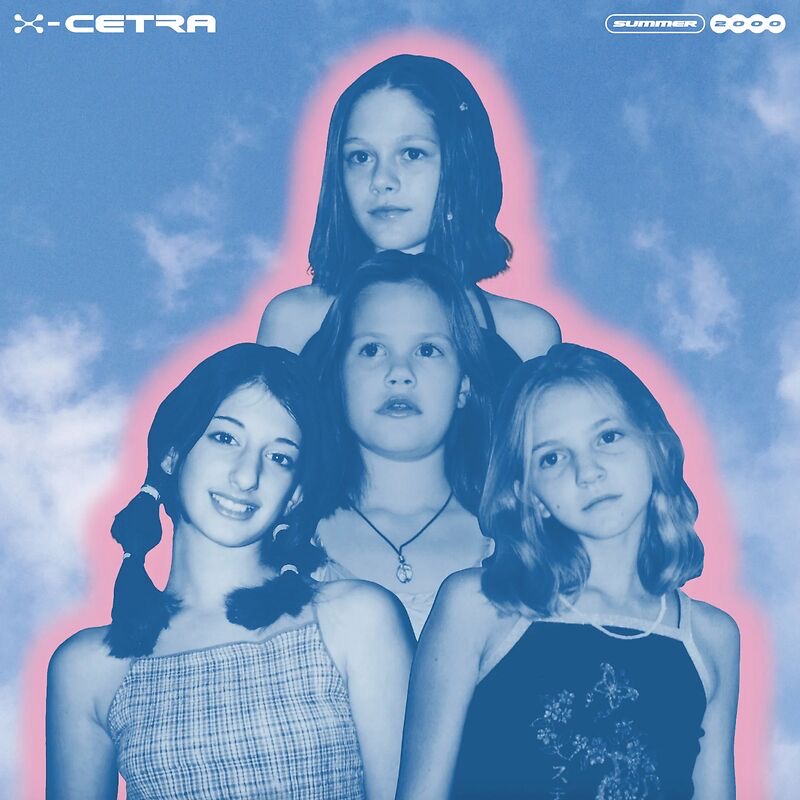
The unselfconscious girlhood portrayed in X-Cetra’s childhood videos initially contrasts with the apparent coolness and detachment of the group’s adult members. However, as they reimmerse themselves in artistic creation, the women’s close bonds, youthful energy and playfulness reemerge. X-Cetra’s poignant reunion reminds adult viewers of the earnestness of childhood and its boundless artistic expression. Nevertheless, the film underexplores the mixed emotions it may be stirring in its audience and the significance of these emotions. It could also benefit from a more extensive exploration of child development to contextualize X-Cetra’s falling out as adolescents post-Stardust and the women’s apprehensions toward creating art together again.
Ultimately, Mayeri’s Summer 2000 – The X-Cetra Story presents a charming and reflective story about artistic creation and girlhood. It ends on an optimistic note as the women create their first song and music video in twenty years, leaving viewers wondering how they can tap into their early creative drives as well. However, the documentary provides incomplete answers to some of the complex, broader questions it raises about children’s capacity for world-building, parents’ roles in enabling children’s creativity and how to maintain close adult friendships. Furthermore, it devotes very little time to explaining the creative choices behind Stardust, which may disappoint viewers intrigued by the album’s bizarre blend of acid house, trip-hop and exotica.
Screened at Cinema Moderne as part of Film POP (POP Montréal festival)
September 26, 2026
Review by Camille Delagrave-Ajduk