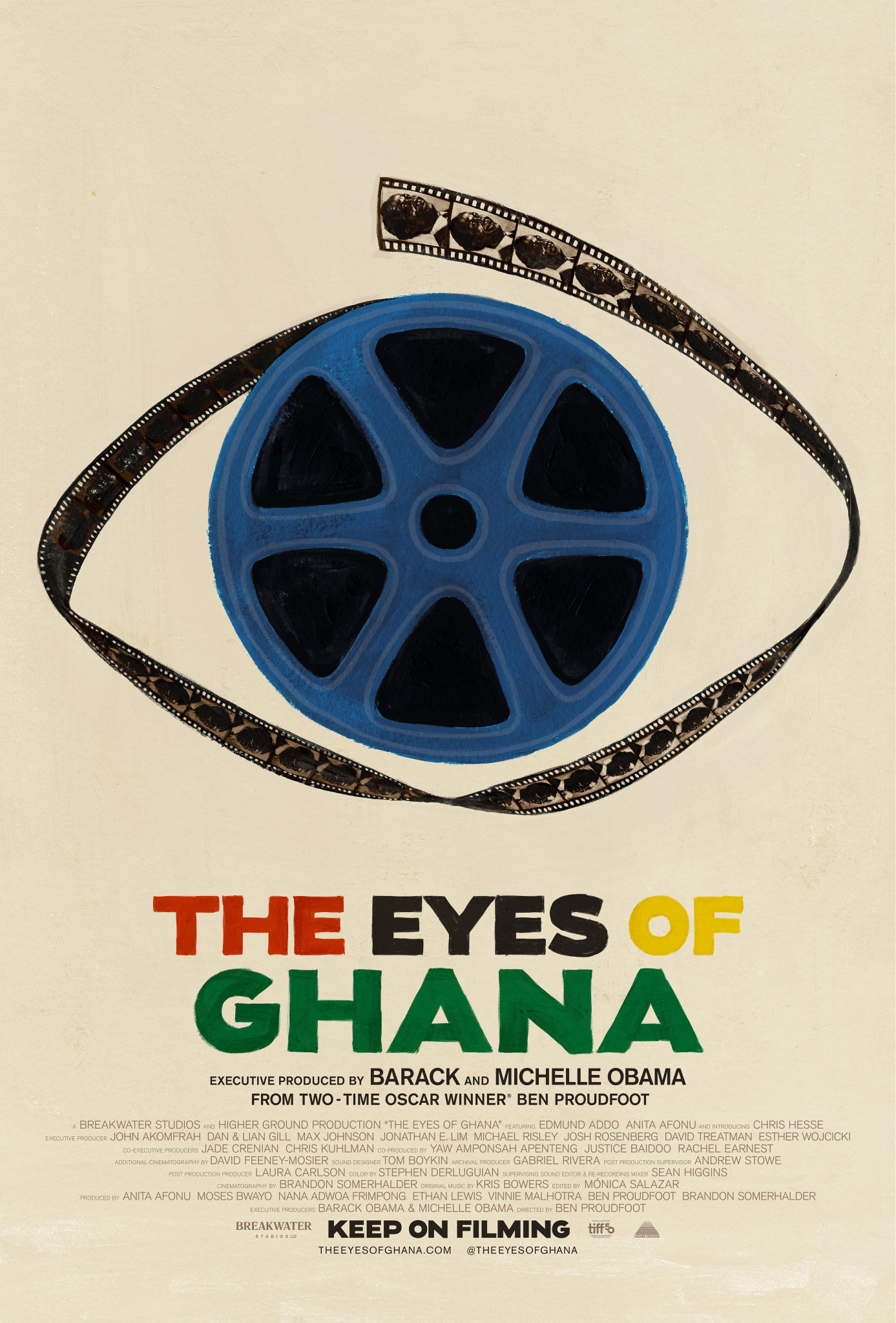
The 22nd edition of the Montreal International Black Film Festival opened with Ben Proudfoot’s documentary, “The Eyes of Ghana,” which spotlights Chris Tsui Hesse, the personal cameraman of Kwame Nkrumah, the first president of Ghana and a revolutionary icon in African history. Seen through the perspective of Chris Hesse, the film captures the power of cinema as a medium that can help shape our history and future generations.
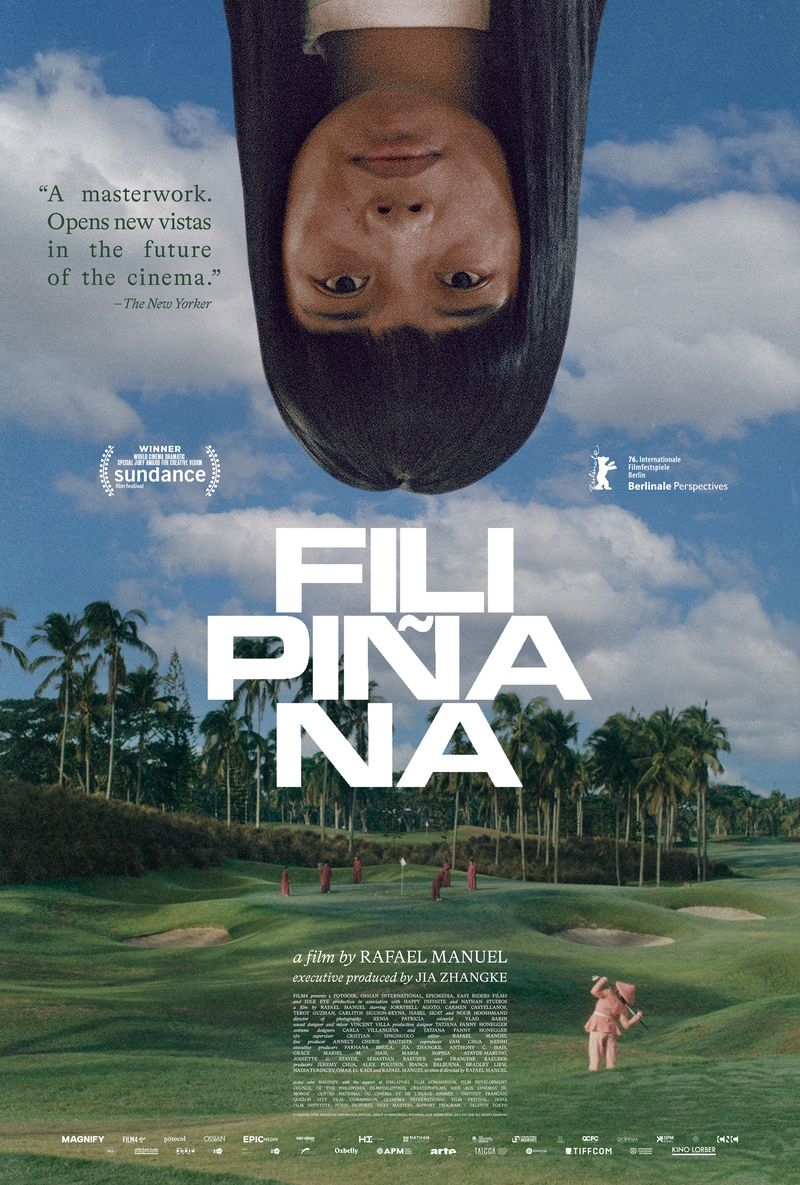
What is the meaning of Filipiñana? Traditionally, it translates directly to Filipino culture in regards to its history and folklore such as music, literature, and identity. In Rafael Manuel’s “Filipiñana,” the film explores these themes while simultaneously breaking down the representation of class disparity in modern Filipino society.
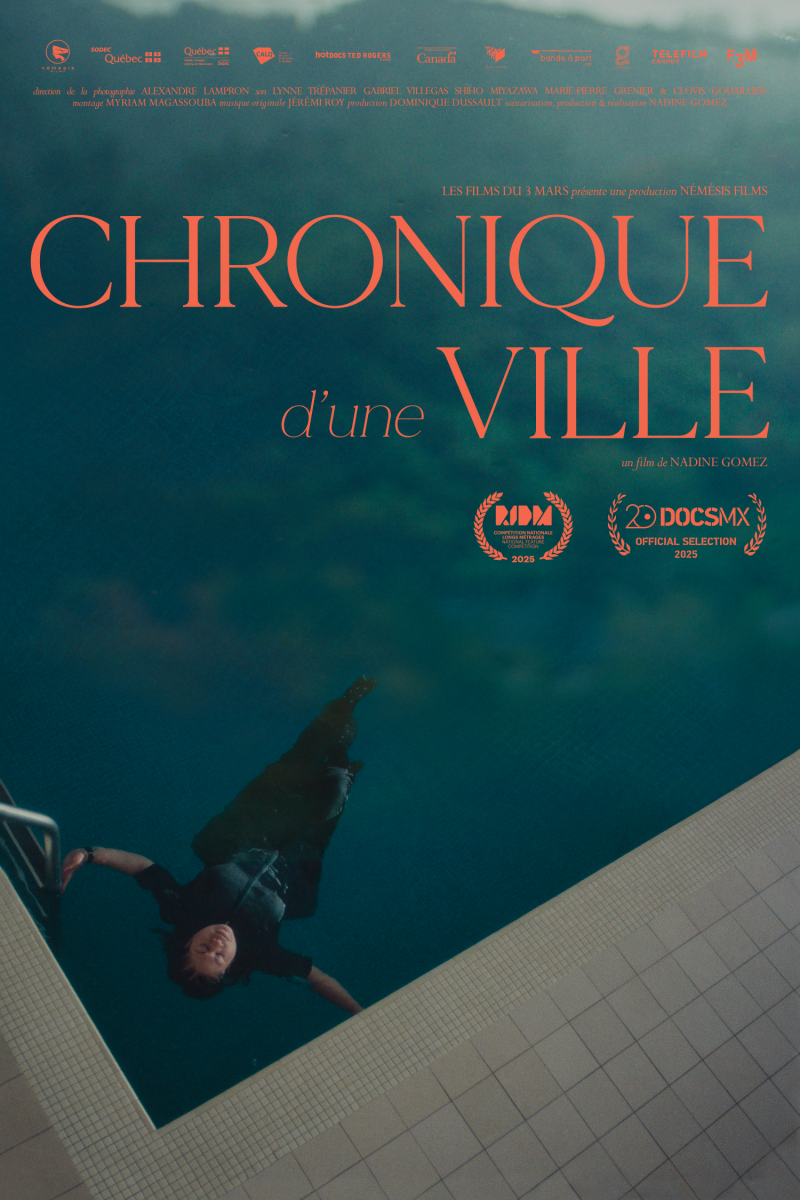
Canadian filmmaker Nadine Gomez explores the psychological impact of metropolitan and urbanization cinema by painting portraits of the city life that most of us know. “Chronique d’une ville” is a poetic visual that highlights our human experiences by utilizing rich photography, inviting viewers to an immersive experience of ordinary city life.
Haifaa Al Mansour’s “Unidentified” is a film that focuses on the hunt for justice from the lenses of an oppressed woman looking for her own truth in a world built to silence her. [CONTAINS SPOILERS]
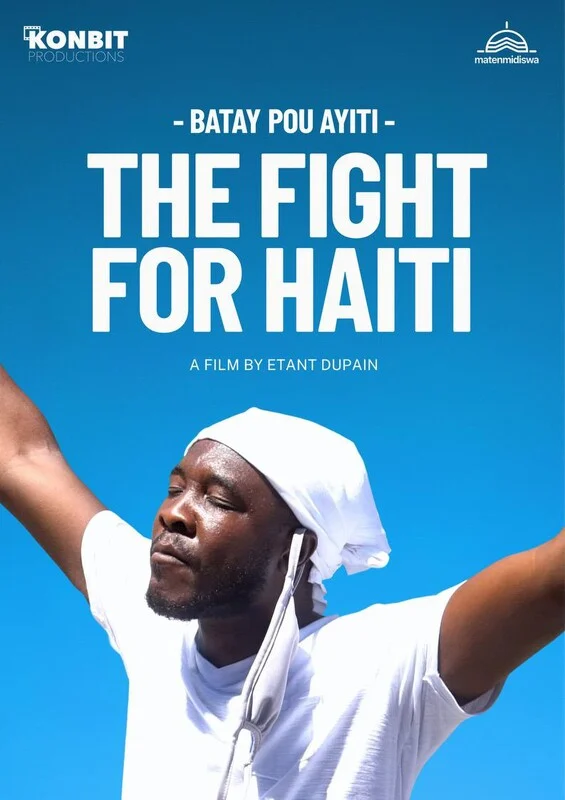
On Friday May 29, we had the pleasure to screen Etant Dupain’s film The Fight For Haiti – a documentary that emphasizes on the country’s corruption, PetroCaribe, and tainted politicians alongside stories of inescapable crime amongst the community.
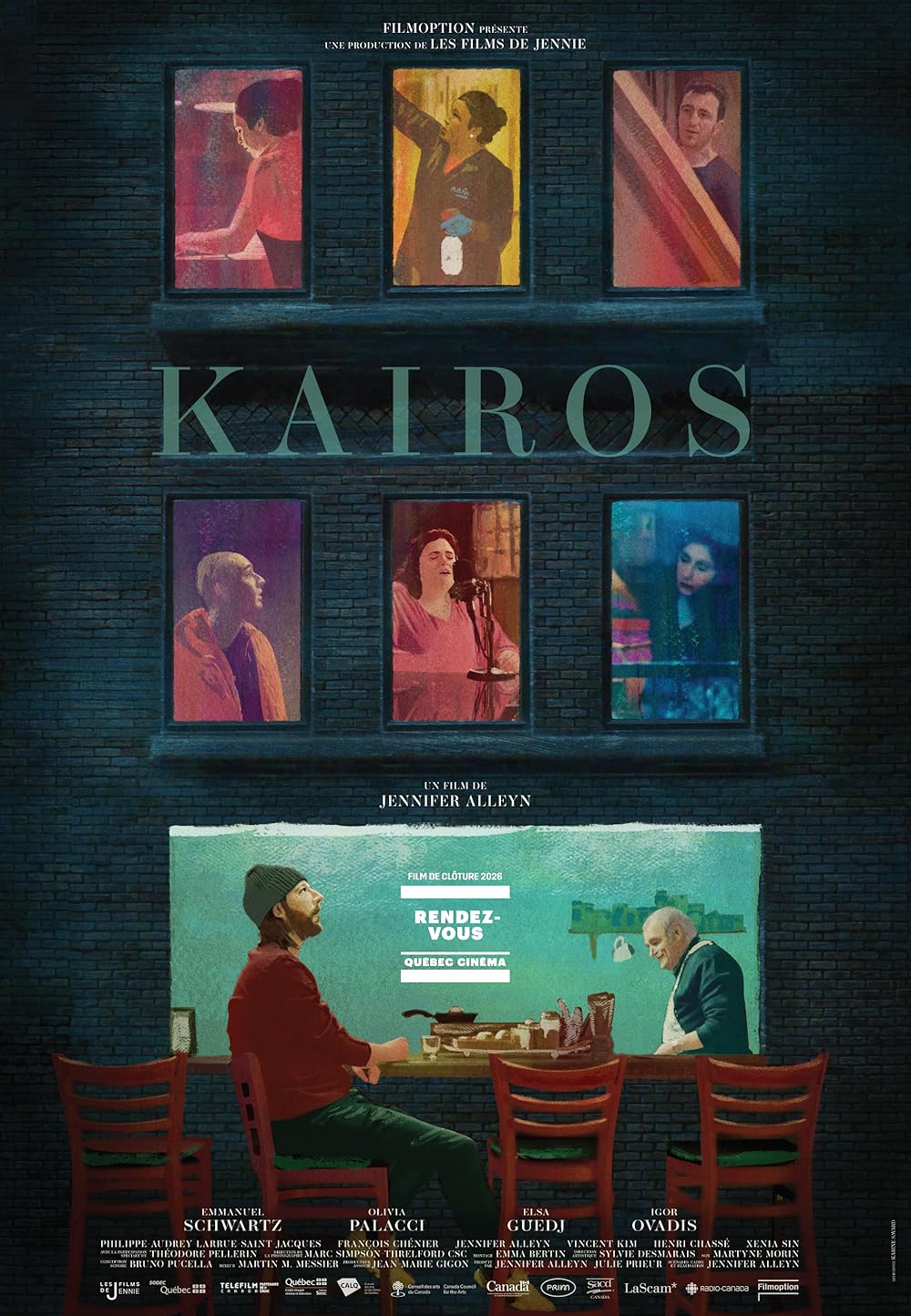
Canadian artist Jennifer Alleyn’s 2026 film “Kairos” premiered on April 30, 2026 at the 44th Rendez-vous Quebéc Cinema and served as the closing film of the festival. In this review, we explore the impact of listening to the stories of the unseen people in contemporary Montreal society.